


Can cervical spondylosis cause high blood pressure?
Jun 29, 2022
Source: Cainiu Health

Dr. Lin Yunfei
Introduction
Cervical spondylosis can lead to elevated blood pressure. Approximately 6% of patients with cervical spondylosis exhibit hypertension, and about 15% of hypertensive patients have a history of cervical spondylosis. Hypertension induced by cervical spondylosis exhibits several characteristic features: in addition to elevated blood pressure, patients may experience neck discomfort, nausea, vomiting, palpitations, and memory impairment. In such cases, the blood pressure elevation is often paroxysmal and may be triggered by emotional stress or excessive fatigue of the head and neck.
Dizziness caused by cervical spondylosis is a common issue many people experience in daily life. If improperly managed, it can cause significant harm to the body. Some patients may also develop hypertension—so, does cervical spondylosis cause high blood pressure?
Does cervical spondylosis cause hypertension?
Yes, cervical spondylosis can lead to elevated blood pressure. Approximately 6% of patients with cervical spondylosis exhibit concomitant hypertension, while about 15% of hypertensive patients have a history of cervical spondylosis. Hypertension induced by cervical spondylosis has several distinguishing features: in addition to elevated blood pressure, patients may experience neck discomfort, dizziness, nausea, vomiting, palpitations, and memory impairment. In such cases, blood pressure elevation tends to be paroxysmal—often triggered by emotional stress or excessive fatigue of the head and neck. Once cervical spondylosis symptoms improve following treatment, blood pressure typically declines as well, and long-term antihypertensive medication may no longer be necessary.
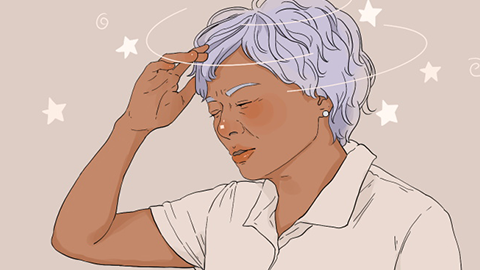
For hypertension secondary to cervical spondylosis, short-term antihypertensive therapy may be warranted, as symptoms can mutually exacerbate one another. Hypertension itself may cause neck discomfort—commonly presenting as neck stiffness. When cervical spondylosis coexists, symptoms become more complex and overlapping. Thus, after initiating antihypertensive medication, relief of neck symptoms often becomes more pronounced, which in turn helps alleviate other manifestations of cervical spondylosis.
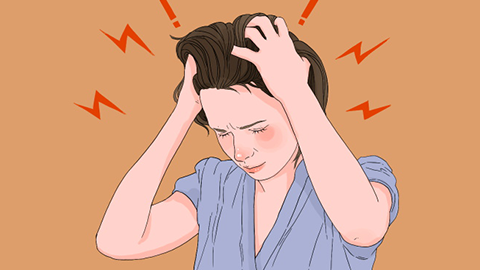
During treatment for cervical spondylosis, if blood pressure rises significantly, antihypertensive drugs may also be used. Whether long-term medication is required depends on subsequent blood pressure variability. We hope this information proves helpful to you!


