


Can cervical erosion with bleeding heal spontaneously?
Jul 01, 2022
Source: Cainiu Health

Dr. Chen Zhe
Introduction
Cervical erosion with bleeding typically resolves spontaneously. Cervical erosion is one of the physiological changes of the cervix and is commonly observed in women of childbearing age. Under estrogen stimulation, the columnar epithelium lining the cervical canal proliferates and extends to cover the ectocervical surface, resulting in cervical congestion and redness, with a granular appearance. This is distinctly different from pathological erosion caused by ulceration of epithelial tissue.
Many patients with mild cervical ectropion believe the condition is not serious enough to require treatment. So, can bleeding associated with cervical ectropion resolve spontaneously?
Can bleeding from cervical ectropion resolve spontaneously?
Bleeding associated with cervical ectropion typically resolves spontaneously. Cervical ectropion is a physiological change of the cervix commonly observed in women of childbearing age. Under estrogen stimulation, columnar epithelium from the endocervical canal proliferates and extends onto the ectocervical surface, causing cervical congestion and redness, with a granular appearance. This differs significantly from pathological ulceration caused by abnormal epithelial tissue. After the cervical surface becomes covered by columnar epithelium, minor bleeding may occur but usually resolves spontaneously.
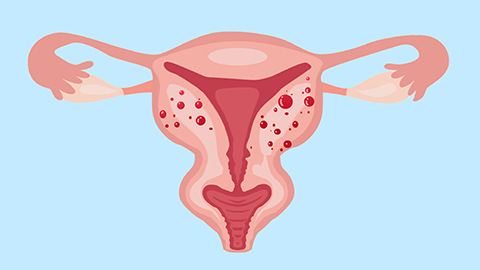
Cervical ectropion must be carefully differentiated from other cervical conditions. For example, cervical lesions caused by cervicitis may resemble cervical ectropion in appearance; however, precancerous cervical lesions and cervical cancer induced by human papillomavirus (HPV) infection also require differentiation from cervical ectropion.

Persistent contact bleeding—unresponsive to spontaneous resolution—is often associated with chronic cervicitis-induced cervical ectropion. In such cases, the cervical mucosa exhibits erosive lesions, which may bleed during intercourse—a sign of more advanced disease. Patients should seek timely evaluation at a public hospital, where treatments such as electrocautery or laser therapy may be offered, alongside topical gynecological suppositories. Additionally, patients should maintain good personal hygiene habits. Those experiencing severe vaginal symptoms—including poor local hygiene—should receive prompt anti-inflammatory and antimicrobial therapy. We hope this article has been helpful. Wishing you a happy life and good health!




