


Precautions for Uterine Polyp Surgery
Jul 05, 2022
Source: Cainiu Health

Dr. Wang Lianlian
Introduction
Postoperative Care Instructions for Uterine Polyps:
- Maintain good hygiene to prevent recurrence.
- Abstain from sexual intercourse during the initial recovery period following treatment.
- Follow a light, balanced diet rich in essential nutrients.
- Attend regular follow-up visits at the hospital.
Seek immediate medical attention if you experience:
- Heavy or prolonged vaginal bleeding;
- Dark-colored blood; or
- Abdominal discomfort—these symptoms may indicate cervical or uterine injury, infection, or other complications.
Uterine polyps are a common gynecological condition involving intrauterine lesions. Postoperative care primarily involves the following aspects:
1. Maintain cleanliness and hygiene. After uterine polyp removal, women should ensure personal hygiene and also practice good hygiene during sexual intercourse to prevent infection and reduce the risk of recurrence.
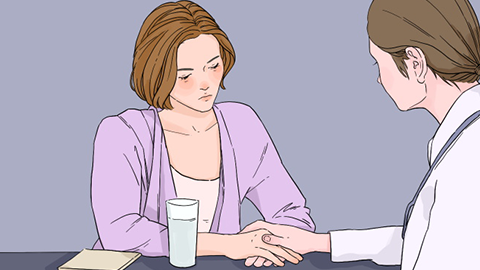
2. Abstain from sexual intercourse during the initial recovery period after treatment. At this stage, the woman’s body has not yet fully recovered, making her more susceptible to infection. A follow-up visit to the hospital is recommended one month postoperatively to assess recovery progress.
3. Diet: Consume light, easily digestible foods. Avoid raw, cold, or spicy foods, and maintain a balanced, nutritious diet.
4. Schedule regular follow-up examinations at the hospital. Successful surgical removal of uterine polyps does not guarantee lifelong immunity against recurrence; therefore, routine monitoring is essential. The first follow-up examination should occur approximately three months after surgery, followed by subsequent check-ups every six months to one year.
Note: If heavy, persistent vaginal bleeding occurs, if blood appears dark in color, or if abdominal discomfort develops, these symptoms may indicate cervical or uterine injury or infection, and warrant prompt medical evaluation.



