


Symptoms of Epididymitis
Jul 06, 2022
Source: Cainiu Health

Dr. Luo Yong
Introduction
Symptoms of acute epididymitis: In most cases, patients with acute epididymitis experience sudden high fever, scrotal swelling and pain, enlargement of the epididymis with a sensation of heaviness or dragging, and marked tenderness. Referred pain may also occur in the lower abdomen and inguinal region.
Symptoms of chronic epididymitis: Patients commonly report persistent or intermittent pain on the affected side of the scrotum; the pain is typically dull and accompanied by a sensation of fullness or heaviness. Pain may also radiate to the inguinal (groin) region or lower abdomen.
Epididymitis refers to inflammation of the epididymis that occurs when pathogenic bacteria—such as Escherichia coli, Staphylococcus, and Streptococcus—enter the vas deferens and ascend retrogradely into the epididymis, typically during periods of diminished systemic immunity. It predominantly affects young and middle-aged men. Clinically, epididymitis is generally categorized into two types: acute and chronic.
① Symptoms of Acute Epididymitis
In most cases, patients with acute epididymitis present with sudden high fever and elevated white blood cell count on routine blood tests. The affected side of the scrotum becomes swollen and painful; the epididymis enlarges and feels heavy or dragging, with marked tenderness upon palpation. Referred pain may also occur in the lower abdomen and inguinal region. When inflammation spreads extensively, both the epididymis and testicle become swollen, and their anatomical boundaries become indistinct on physical examination—a condition termed epididymo-orchitis.
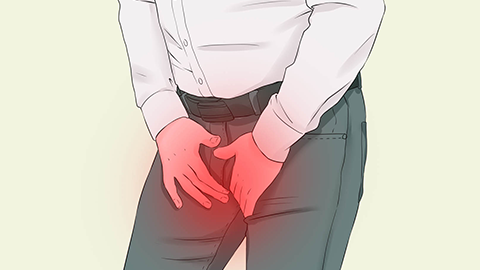
② Symptoms of Chronic Epididymitis
Scrotal pain is the hallmark symptom of chronic epididymitis, typically manifesting as persistent or intermittent pain on the affected side. The pain is usually dull and accompanied by a sensation of heaviness or dragging. This discomfort may radiate to the lower abdomen and ipsilateral inguinal region; some patients report pain in the groin or lower abdomen. Ipsilateral vas deferens thickening may also be observed. Importantly, chronic epididymitis can lead to hydrocele formation—though this is not universal and often occurs secondarily.


