What Is a Child’s Normal Body Temperature?
Jul 06, 2022
Source: Cainiu Health

Dr. Xie Zixing
Introduction
A child’s normal (baseline) body temperature ranges from 36.9°C to 37.5°C. Fever is generally defined as a body temperature elevated by more than 1°C above the baseline. Hypothermia is defined as a body temperature below 36°C. A slight elevation in an infant’s or young child’s body temperature is not necessarily abnormal; not all temperature elevations constitute fever. If an infant or young child develops a fever, the first priority is to ensure adequate fluid intake, followed by supplementation with essential nutrients.
A child’s normal baseline body temperature ranges from 36.9°C to 37.5°C.
Fever is generally defined as a body temperature exceeding the baseline by more than 1°C. Hypothermia is diagnosed when the body temperature falls below 36°C. Infants and young children are particularly prone to hypothermia because their thermoregulatory centers are not yet fully developed and their relatively thin subcutaneous fat layer facilitates rapid heat loss.
Infants with hypothermia typically exhibit characteristic symptoms, including weak or feeble crying, refusal to feed, cold and clammy skin, hypoglycemia (low blood glucose), and localized swelling or induration of subcutaneous fat tissue. If left untreated, hypothermia in infants can lead to generalized weakness, compromised immunity, and—in severe cases—life-threatening complications.
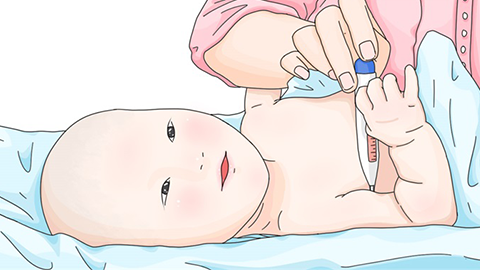
It is important to note that an elevated body temperature in infants and young children does not necessarily indicate pathology; a transient rise in temperature is not synonymous with fever. If the temperature elevation is brief, the child remains otherwise well, and no other abnormal signs or symptoms are present, it should not be interpreted as fever.
If an infant or young child develops a fever, the first priority is ensuring adequate hydration. Next, appropriate nutritional support should be provided. Should the fever persist despite supportive care, prompt medical evaluation is essential.