


Treatment Methods for Cervical Erosion
Jul 12, 2022
Source: Cainiu Health

Dr. Chen Zhe
Introduction
Cervical erosion is classified into mild, moderate, and severe degrees. Mild and moderate cervical erosion typically present no obvious clinical symptoms and generally do not require treatment. In contrast, severe cervical erosion may cause irregular vaginal bleeding, particularly postcoital bleeding. Initially, cervical cancer screening should be completed. If both liquid-based cytology (LBC) and HPV genotyping tests yield normal results, anti-inflammatory therapy alone may be sufficient.
Cervical ectropion (formerly termed “cervical erosion”) is a relatively common physiological phenomenon among women, frequently observed in those with frequent sexual activity or a history of vaginal delivery. Typically, it presents without obvious symptoms. However, if abnormal vaginal discharge is noticed, timely medical evaluation and treatment are warranted. So, what are the treatment options for cervical ectropion?
Treatment Options for Cervical Ectropion
Cervical ectropion is classified as mild, moderate, or severe. Mild to moderate cases usually lack significant clinical symptoms and therefore do not require specific treatment. In contrast, severe cervical ectropion may be associated with irregular vaginal bleeding—particularly postcoital bleeding. The first step is to complete cervical cancer screening, including liquid-based cytology (e.g., TCT) and HPV genotyping. If both tests yield normal results, conservative anti-inflammatory therapy—specifically local vaginal medication—may be sufficient.
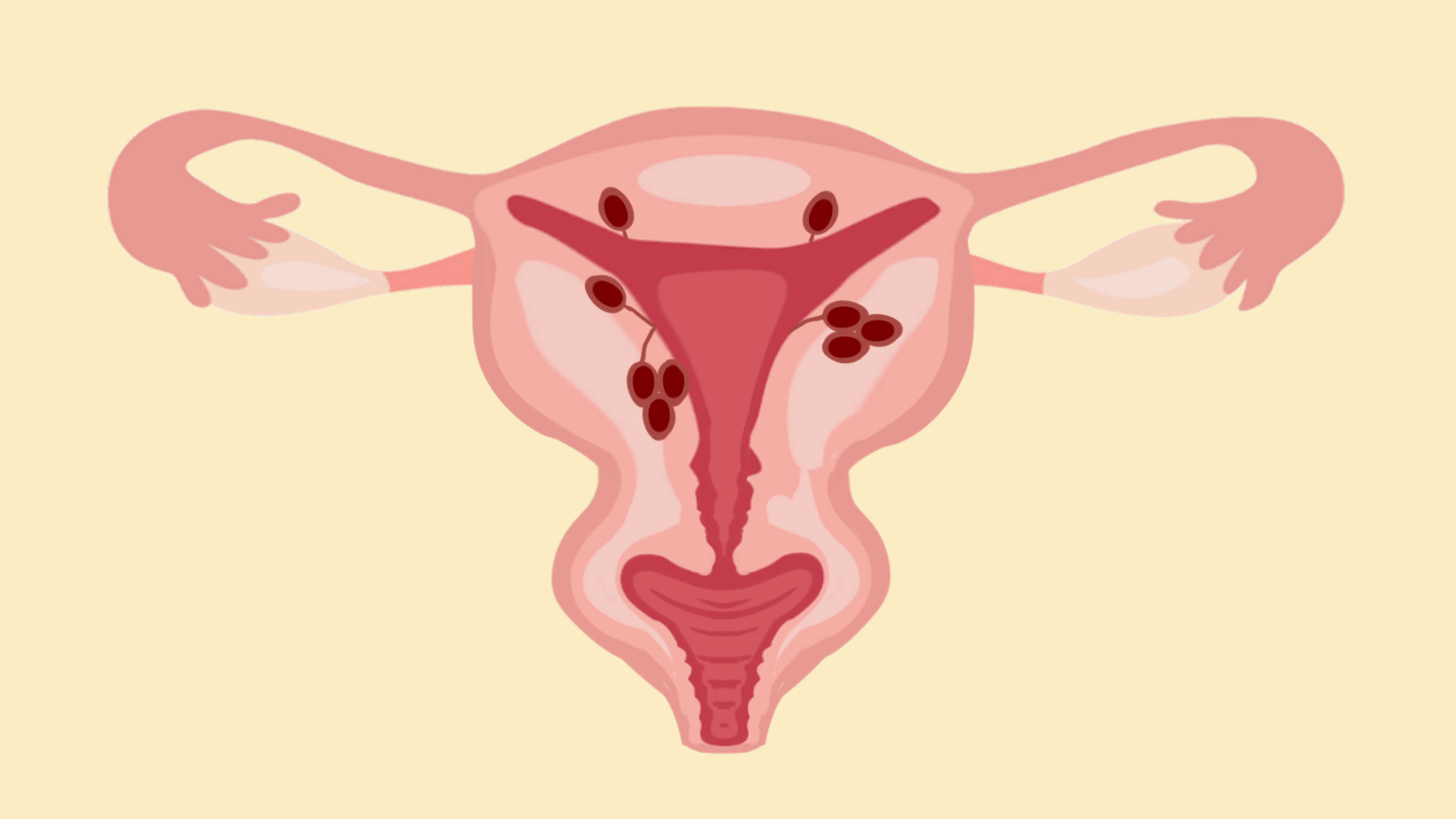
Commonly prescribed medications include Baofukang suppositories and Xiaomisuan suppositories. If HPV testing is positive, adjunctive antiviral therapy with interferon gel is recommended. Treatment typically lasts 3–6 months, during which regular follow-up HPV and TCT screening is essential.

Sexual intercourse should be avoided until full recovery is achieved, to prevent transmission to sexual partners or exacerbation of inflammation. Wearing loose-fitting, breathable, 100% cotton underwear helps maintain genital dryness and supports recovery. We hope this information addresses your concerns!




