


What are the manifestations of Qi deficiency?
Jul 28, 2022
Source: Cainiu Health

Dr. He Haochen
Introduction
Qi deficiency is a syndrome characterized by impaired function of internal organs, commonly caused by prolonged illness and physical debility, excessive physical or mental exertion, aging, or constitutional weakness. As qi deficiency leads to diminished organ function, it manifests as lethargy, mental fatigue, easy exhaustion, and persistent weakness. Furthermore, when qi is deficient, the clear yang fails to ascend properly, resulting in inadequate warming of the head and eyes, which may cause dizziness.
Qi deficiency is not a single disease but rather a condition that may coexist with or underlie various disorders. In Traditional Chinese Medicine (TCM), qi deficiency refers to a state of insufficient primordial qi, resulting in diminished physiological function. This condition may arise from constitutional (congenital) factors or develop later in life due to unhealthy lifestyle habits.
What Are the Clinical Manifestations of Qi Deficiency?
Qi deficiency is a syndrome characterized by impaired organ and tissue function, commonly caused by chronic illness, physical debility, excessive fatigue, aging, or constitutional weakness. As qi governs vital activities—including movement, warmth, containment, and transformation—its deficiency leads to characteristic symptoms: lethargy, mental fatigue, easy exhaustion, generalized weakness, and lack of motivation. When clear yang fails to ascend, the head and eyes become inadequately nourished, leading to dizziness. Deficient defensive qi results in loose pores and weakened exterior protection, manifesting as spontaneous sweating—often exacerbated by physical activity. Tongue and pulse signs include a pale tongue body and a weak, forceless pulse that feels deep and lacking resilience upon palpation.

Qi deficiency can impair multiple organ systems. Lung qi deficiency often presents with cough, wheezing, copious phlegm, and susceptibility to colds. Kidney qi deficiency typically manifests as soreness and weakness in the lower back and knees, night sweats, spontaneous sweating, and aversion to cold. In men, it may cause sexual dysfunction—including nocturnal emissions and premature ejaculation—while women may experience abnormal vaginal discharge and dark circles under the eyes. Spleen qi deficiency leads to poor appetite, loose stools, and sallow complexion. Heart qi deficiency is associated with palpitations, insomnia, and frequent dreaming.
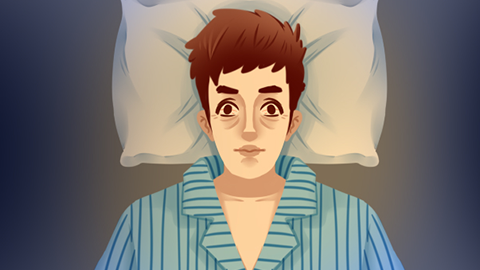
Individuals with qi deficiency should cultivate regular eating habits—consuming meals at consistent times and in appropriate portions—and avoid snacking between meals. Additionally, they should limit intake of overly sweet, greasy, or high-salt foods, as these may further impair spleen and stomach function and exacerbate qi deficiency. We hope this information proves helpful.




