


How is pulmonary tuberculosis contracted?
Aug 01, 2022
Source: Cainiu Health

Dr. Guo Xiheng
Introduction
Tuberculosis (TB) is a chronic infectious disease caused by infection with *Mycobacterium tuberculosis*. This bacterium can invade various organs of the human body, but most commonly affects the lungs—hence the term “pulmonary tuberculosis.” Pulmonary TB is a chronic, insidious infectious disease that predominantly affects young adults, with an incubation period of 4–8 weeks. Respiratory transmission—via inhalation of airborne droplets containing *M. tuberculosis*—is the primary route of TB infection between individuals.
Tuberculosis (TB) is a common pulmonary disease. Its clinical symptoms include low-grade fever, fatigue, and coughing. Patients with mild disease can recover fully with appropriate treatment; however, severe cases may be life-threatening. Therefore, tuberculosis warrants serious public attention. So, how does one contract pulmonary tuberculosis?
How Is Pulmonary Tuberculosis Contracted?
Tuberculosis is a chronic infectious disease caused by infection with *Mycobacterium tuberculosis*. This bacterium can invade various organs in the human body but primarily targets the lungs—hence the term “pulmonary tuberculosis.” It is a chronic, insidiously progressive infectious disease that predominantly affects young adults, with an incubation period of 4–8 weeks. Person-to-person transmission via the respiratory tract is the primary route of infection, and the source of infection is typically sputum or other respiratory secretions expelled by individuals with active TB. With increasing environmental pollution and the spread of HIV/AIDS, the incidence of tuberculosis is rising steadily—a matter demanding urgent attention. Although a small proportion of cases present acutely, the majority are clinically chronic.

Tuberculosis is a chronic respiratory infectious disease caused by *Mycobacterium tuberculosis*. Individuals with active pulmonary tuberculosis serve as the primary source of infection and transmit the pathogen via respiratory droplets. The risk of infection correlates with the number of bacteria expelled by the patient; patients with open (i.e., smear-positive) pulmonary tuberculosis are highly contagious. Prolonged close contact—especially sharing confined, poorly ventilated spaces—with an infectious TB patient increases the likelihood that healthy individuals will inhale infectious droplets generated by the patient’s coughing or sneezing, thereby acquiring *Mycobacterium tuberculosis*. When host immunity declines, latent infection may progress to active disease; if this occurs in the lungs, it manifests as pulmonary tuberculosis. Typical symptoms include low-grade fever, night sweats, weight loss, and hemoptysis.
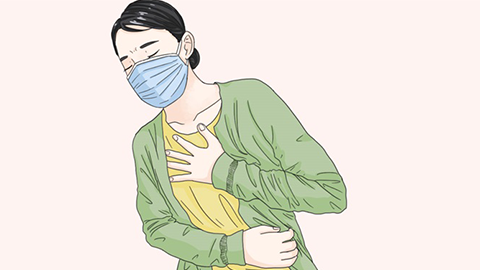
Patients are advised to maintain healthy lifestyle habits, follow a balanced diet, avoid spicy and irritating foods, and engage in appropriate physical activity to strengthen their immune system. We hope this information proves helpful.


