


Is shaving the head effective for hair loss?
Aug 02, 2022
Source: Cainiu Health

Dr. Liu Wan
Introduction
Shaving the head may benefit children but offers no therapeutic effect for adults—and may even delay proper diagnosis and treatment. In childhood alopecia, hair follicles are not yet fully mature; therefore, regular hair trimming can stimulate metabolic activity in hair cells and promote hair growth. However, in adults, the number of hair follicles is fixed, and no new follicles develop. Consequently, shaving the head does not effectively alleviate adult-onset alopecia.
In folk belief, there is a long-standing notion that shaving a child’s head completely will result in thicker, darker, and healthier hair regrowth. Many individuals experiencing hair loss also resort to shaving their heads as a form of treatment. But does shaving the head actually help with hair loss?
Shaving the head may benefit children, but it offers no therapeutic effect for adults—and may even delay proper diagnosis and treatment. In childhood alopecia, hair follicles are not yet fully matured; therefore, regular hair trimming can stimulate metabolic activity in hair matrix cells and promote hair growth. In contrast, the number of hair follicles in adults is fixed and cannot increase. Moreover, follicle count gradually declines with age; thus, shaving the head cannot effectively alleviate adult-onset hair loss.
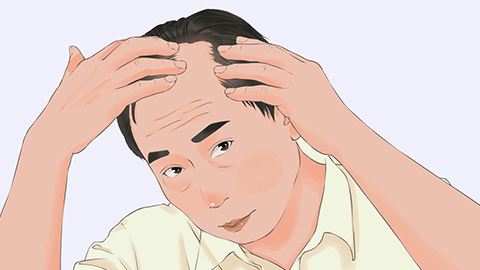
In daily life, avoid excessive late-night activity and minimize psychological stress. Massaging the scalp for 10–15 minutes daily helps improve blood circulation, alleviates hair loss, and supports new hair growth. Maintain a balanced diet rich in vitamins, minerals, and high-quality protein—such as fruits, vegetables, fish, chicken, and beef. Hair loss may be linked to nutritional deficiencies, chronic stress, or sudden emotional trauma. Supplementing with vitamins, folic acid, Polygonum multiflorum (He Shou Wu), and goji berries may be considered, depending on individual circumstances.

Adult-onset hair loss has numerous potential causes—including anemia, endocrine disorders, febrile illnesses, liver disease, psychological stress, and fluctuations in hormonal levels. Regardless of the underlying cause, timely and targeted treatment is essential to alleviate symptoms. Simply removing all hair will not resolve the problem. We hope this response has been helpful. Wishing you good health and happiness!






