


What should I do about oily hair and hair loss?
Aug 02, 2022
Source: Cainiu Health

Dr. Liu Wan
Introduction
Hair loss caused by oily scalp is primarily associated with androgenetic alopecia, which can affect both men and women. It is a non-scarring form of hair loss that typically begins during or after puberty, characterized mainly by follicular miniaturization and progressive reduction in hair density. For female androgenetic alopecia, oral anti-androgen medications such as cyproterone acetate or spironolactone may be prescribed. For male androgenetic alopecia, oral finasteride is commonly used.
Everyone hopes for healthy, jet-black, and lustrous hair. However, in daily life, many people notice excessive oiliness of the scalp and experience significant hair loss. So, what can be done about oily scalp and hair loss?
What to Do About Oily Scalp and Hair Loss
Oily scalp–related hair loss is primarily associated with androgenetic alopecia (AGA), which affects both men and women. AGA is a non-scarring form of hair loss that typically begins during or after puberty and is characterized by progressive miniaturization of hair follicles and gradual reduction in hair density. For women with AGA, oral anti-androgen medications—such as cyproterone acetate or spironolactone—may be prescribed. For men, finasteride is commonly used orally, while topical minoxidil solution is applied directly to the scalp. In addition to systemic and topical pharmacotherapies, hair transplantation may be considered for severe cases. Emerging treatment modalities—including low-level laser therapy (LLLT) helmets and platelet-rich plasma (PRP) therapy—serve as beneficial adjuncts in managing androgenetic alopecia.
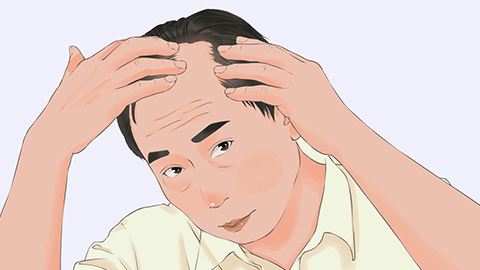
Firstly, hair loss can negatively impact one’s appearance—especially among young individuals—who may face teasing or social stigma, leading to diminished self-esteem and heightened anxiety. Moreover, hair loss may co-occur with other medical conditions, such as hyperthyroidism or deficiencies in trace elements. Therefore, comprehensive evaluation and management targeting these underlying factors are essential to prevent further systemic harm.

Adopting healthy lifestyle and dietary habits is crucial: consume ample fruits and vegetables, and minimize intake of spicy or irritating foods. Emotional regulation—maintaining a cheerful mood and cultivating a positive, optimistic outlook—can significantly support hair loss treatment and help alleviate its progression. We hope this information proves helpful. Wishing you robust health and a joyful life!




