


How to treat onychomycosis
Aug 02, 2022
Source: Cainiu Health

Dr. Liu Wan
Introduction
Oral antifungal medications should be the first-line treatment, as only systemic therapy can achieve a complete cure for onychomycosis. Options include terbinafine hydrochloride tablets, itraconazole capsules, griseofulvin, and fluconazole. Among these, itraconazole capsules are most commonly selected and considered the most effective, owing to their broad-spectrum antifungal activity. Liver function should be monitored regularly during treatment.
Onychomycosis (commonly known as “gray nail”) is a common and frequently occurring dermatological condition—and one that is notoriously difficult to treat. It can affect men, women, and children alike. So, how is onychomycosis treated?
How Is Onychomycosis Treated?
Oral antifungal medication is the first-line treatment, as only systemic therapy can achieve a complete cure. Commonly prescribed oral agents include terbinafine hydrochloride tablets, itraconazole capsules, griseofulvin, and fluconazole. Among these, itraconazole capsules are most frequently selected and considered the most effective due to their broad-spectrum antifungal activity. Liver function must be closely monitored throughout treatment: baseline liver enzyme tests should be performed before initiating therapy, followed by monthly monitoring. Treatment may continue only if transaminase levels remain within normal limits.
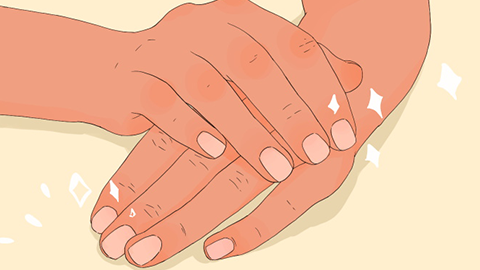
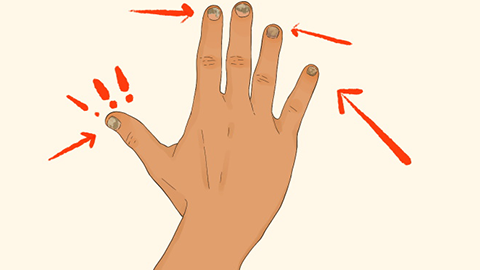
Onychomycosis is a fungal infection—and a contagious dermatological condition. In its early stages, affected nails typically turn white, with small white spots visible on the nail surface upon close inspection. As the disease progresses, nails thicken and become uneven or distorted; clipping the nails may produce fine, powdery debris. If you suspect onychomycosis, seek prompt medical evaluation. A healthcare provider will perform appropriate diagnostic testing and prescribe suitable antifungal therapy.
Patients with onychomycosis should maintain strict personal hygiene and keep affected areas clean and dry. Avoid sharing personal items such as basins, slippers, or other toiletries to prevent transmission to others. Adopt healthy daily habits: wash hands and feet regularly, change socks, shoes, and gloves frequently, and ensure footwear and hosiery are thoroughly dried—preferably by sun exposure—to minimize moisture retention. We hope this information proves helpful. Wishing you good health and happiness!



