


What to Do for Indigestion-Related Bad Breath
Aug 03, 2022
Source: Cainiu Health

Dr. Zhao Haiming
Introduction
For dyspepsia-associated halitosis, it is essential to differentiate organic dyspepsia from functional dyspepsia to identify the underlying cause. Halitosis may also result from *Helicobacter pylori* infection, requiring active treatment by the patient. If dyspepsia is caused by peptic ulcer disease and manifests with dyspeptic symptoms, the ulcer itself must be treated.
Halitosis (bad breath) is a common condition affecting many individuals and often hinders their ability to form and maintain normal social relationships. Many people instinctively avoid those with halitosis. To effectively alleviate this condition and minimize its impact on daily life, numerous individuals seek timely intervention for halitosis. So, what should be done about halitosis caused by indigestion?
Managing Halitosis Caused by Indigestion
It is essential to differentiate between organic (structural) and functional dyspepsia to identify the underlying cause. Halitosis may also result from Helicobacter pylori infection, which requires active treatment. If dyspepsia stems from peptic ulcer disease and manifests with associated dyspeptic symptoms, ulcer treatment is necessary. Proton pump inhibitors or H₂-receptor antagonists—medications that suppress gastric acid secretion—and mucosal protectants can promote ulcer healing and thereby alleviate dyspeptic symptoms. In cases of functional dyspepsia—which may be linked to slowed intestinal motility or relative or absolute deficiency of digestive enzymes—prokinetic agents and digestive enzyme supplements may be prescribed to improve gastrointestinal motility and digestion. For H. pylori infection, eradication therapy is indicated; successful eradication typically leads to significant improvement in halitosis secondary to dyspepsia.
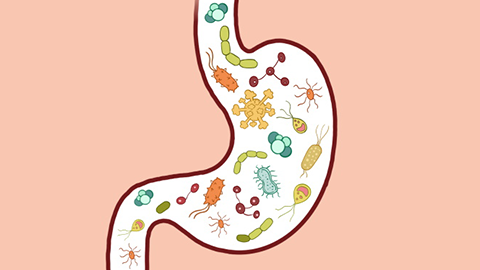
If halitosis arises from diminished digestive function, treatment should focus on enhancing gastric motility and supplementing digestive enzymes. Additionally, performing clockwise abdominal massage may help stimulate gastrointestinal peristalsis, facilitate timely gastric emptying and intestinal transit, and thus improve halitosis. Besides pharmacological interventions, maintaining rigorous oral hygiene is crucial—rinsing the mouth after meals is highly recommended.
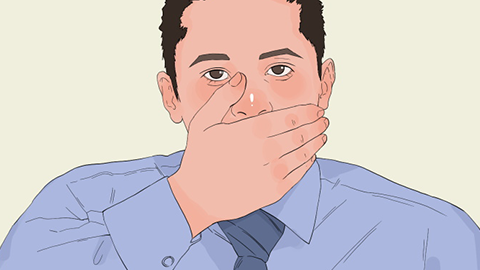
Patients are advised to drink ample warm water daily, consume light and easily digestible foods, quit smoking and alcohol, and limit intake of spicy or irritating foods. We hope this information proves helpful.








