


What is the normal range for low blood pressure?
Aug 06, 2022
Source: Cainiu Health

Dr. Li Man
Introduction
Hypotension-related symptoms are common, particularly orthostatic hypotension. In some patients, hypotension is associated with changes in body position—especially assuming an upright posture—and is therefore termed orthostatic hypotension. Primary symptoms include dizziness, blurred vision, fatigue, nausea, cognitive impairment, palpitations, and neck or back pain. Orthostatic hypotension is especially prevalent among elderly patients with isolated systolic hypertension and diabetes mellitus, as well as those with hypovolemia.
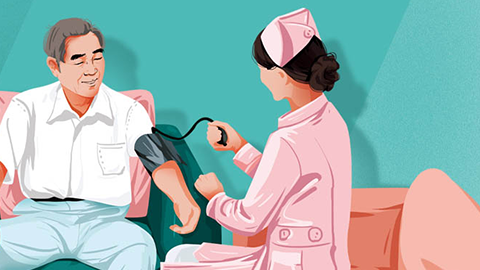
As people age, regular blood pressure monitoring is essential to detect abnormalities early and safeguard overall health. So, what blood pressure range is considered normal for hypotension?
What Is the Normal Range for Hypotension?
Hypotension is defined as a systolic blood pressure below 90 mmHg and/or a diastolic blood pressure below 60 mmHg. Notably, some individuals—particularly healthy ones—may exhibit low blood pressure without any adverse effects; this is termed “physiological hypotension.” Although blood pressure readings are lower than average, physiological hypotension is asymptomatic and neither impairs health nor shortens lifespan. In contrast, other forms—including primary (essential) hypotension, secondary hypotension, and orthostatic (postural) hypotension—are pathological in nature and require targeted management based on their underlying causes.
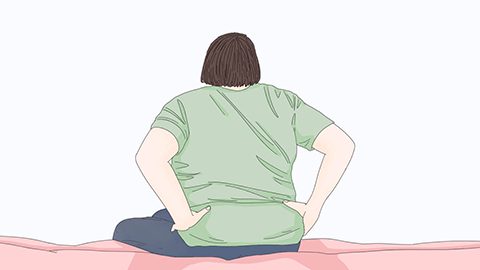
Orthostatic hypotension is one of the most common manifestations of hypotension. In affected individuals, blood pressure drops upon changes in posture—especially upon assuming an upright position—hence the term “orthostatic hypotension.” Typical symptoms include dizziness, lightheadedness, blurred vision, fatigue, nausea, cognitive impairment, palpitations, and neck or back pain. Orthostatic hypotension is particularly prevalent among elderly patients with isolated systolic hypertension and diabetes, as well as those with hypovolemia. It may also be induced by medications such as diuretics, vasodilators, and psychotropic drugs.
Dietary adjustments can help manage hypotension. Consuming nutrient-rich foods—especially warming foods beneficial for the spleen and stomach—is recommended. Moderately increasing dietary salt intake may help elevate blood pressure, as sodium promotes fluid retention and increases intravascular volume. Staying adequately hydrated and engaging in regular physical activity also support healthy blood volume expansion. Foods such as red dates (jujubes), peanuts, goji berries, and other qi- and blood-tonifying foods may further aid in improving hypotension. We hope this information proves helpful!


