


How to Treat Obsessive-Compulsive Disorder (OCD)
Aug 06, 2022
Source: Cainiu Health

Dr. He Haochen
Introduction
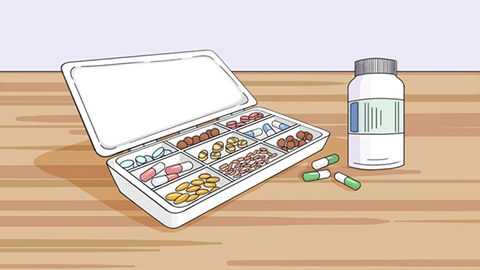
Pharmacotherapy is one of the most important treatment approaches for obsessive-compulsive disorder (OCD). Clinically, selective serotonin reuptake inhibitors (SSRIs)—such as fluoxetine, fluvoxamine, paroxetine, and citalopram—are commonly used to treat OCD. Higher or even maximum recommended doses are typically required. In contrast, clomipramine, though effective, is significantly limited in clinical use due to its adverse effects.
Obsessive-compulsive disorder (OCD) is associated with various factors, including individual personality traits, psychological conditions, social environment, and genetic predisposition. Many individuals with OCD experience distressing life events—such as romantic relationship failures, work-related setbacks, or strained interpersonal relationships—and may hold excessively high standards for themselves and others. So, how is OCD treated?
How to Treat OCD
Pharmacotherapy is one of the most important treatment approaches for OCD. In clinical practice, selective serotonin reuptake inhibitors (SSRIs)—including fluoxetine, fluvoxamine, paroxetine, and citalopram—are commonly prescribed for OCD. Typically, higher or even maximum therapeutic doses are required. In contrast, clomipramine—a tricyclic antidepressant—is significantly limited in clinical use due to its adverse effects. Given OCD’s chronic course and high relapse risk, treatment strategies generally involve an acute phase lasting 10–12 weeks, during which significant improvement is expected, followed by a consolidation and maintenance phase lasting 1–2 years.

In clinical practice, common psychotherapeutic approaches include psychodynamic therapy, cognitive-behavioral therapy (CBT), supportive psychotherapy, and Morita therapy. Among these, CBT is considered the most effective psychological intervention for OCD and primarily comprises thought-stopping techniques and exposure and response prevention (ERP). For treatment-resistant OCD, modified electroconvulsive therapy (ECT) or transcranial magnetic stimulation (TMS) may be considered based on individual circumstances; neurosurgical interventions are regarded as the last-resort option.
Patients are also encouraged to engage in relaxing activities, such as listening to music, in daily life. We hope this information is helpful to you.




