


How many days after menstruation ends is it appropriate to undergo a gynecological examination?
Aug 07, 2022
Source: Cainiu Health

Dr. Chen Zhe
Introduction
Gynecological examinations encompass various tests, including routine vaginal discharge analysis, urinalysis, colposcopy, abdominal ultrasound, and cervical cytology (Pap smear). Most gynecological examinations only require avoiding the menstrual period—for example, routine vaginal discharge analysis and colposcopy. However, certain tests have specific timing requirements; for instance, the six-item sex hormone panel should be performed either on day 3 of the menstrual cycle or between days 3–7 after menstruation has ended.
Gynecological examinations are essential for all women and should be performed regularly. Residual menstrual blood in the uterus during the examination may interfere with test accuracy. So, how many days after menstruation ends is it appropriate to undergo a gynecological examination?
When Is the Optimal Time for a Gynecological Examination After Menstruation?
Gynecological examinations encompass various tests, including routine vaginal discharge analysis, urinalysis, colposcopy, abdominal ultrasound, and cervical cytology (Pap smear). Most of these examinations simply require avoiding the menstrual period—for instance, vaginal discharge analysis and colposcopy. However, certain tests have specific timing requirements: for example, the six-item sex hormone panel should ideally be conducted on day 3 of the menstrual cycle or between days 3–7 after menstruation has completely ceased. Generally, the optimal window for most gynecological examinations is 3–7 days after menstruation ends, as the endometrium has typically healed and is in a relatively stable state.

Excessively heavy or prolonged menstrual bleeding may indicate endometrial abnormalities such as endometrial hyperplasia or intrauterine space-occupying lesions. Particularly in cases of abnormally heavy and prolonged menses, pelvic color Doppler ultrasound is recommended for initial evaluation; if necessary, hysteroscopy or fractional diagnostic curettage may be performed. Conversely, scanty menstrual flow, irregular cycles, or abnormally short or prolonged duration—especially in women with a history of sexual activity—warrants consideration of pregnancy-related conditions.
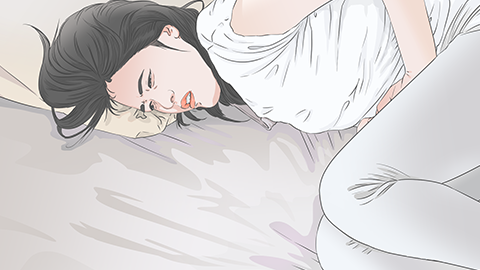
During menstruation, adequate rest is important; avoid overexertion and exposure to cold, which may lead to common colds. Spicy, stimulating, or cold foods should be avoided. Sexual intercourse must be abstained from during this time to prevent gynecological infections. Additionally, closely monitor both menstrual volume and duration. We hope this information proves helpful!





