


Can ibuprofen be taken for menstrual pain?
Aug 08, 2022
Source: Cainiu Health

Dr. Chen Zhe
Introduction
First, it is essential to understand the etiology of dysmenorrhea. Primary dysmenorrhea primarily results from elevated prostaglandin synthesis in the endometrium during menstruation. Studies have shown that both prostaglandin F2α (PGF2α) and prostaglandin E2 (PGE2) levels in the endometrium and menstrual blood are significantly higher in women with dysmenorrhea than in healthy controls; thus, increased prostaglandin levels constitute a major contributing factor to dysmenorrhea.
Many women experience dysmenorrhea (painful menstruation) during their periods. When the pain is severe, some take ibuprofen for relief. But is it appropriate to use ibuprofen for dysmenorrhea?
Can ibuprofen be used for dysmenorrhea?
First, it’s important to understand the underlying causes of dysmenorrhea. Primary dysmenorrhea is primarily associated with elevated prostaglandin synthesis in the endometrium during menstruation. Research shows that levels of prostaglandin F2α and prostaglandin E2 in both the endometrium and menstrual blood are significantly higher in women with dysmenorrhea than in healthy controls. Thus, increased prostaglandin levels are a major contributor to menstrual pain.
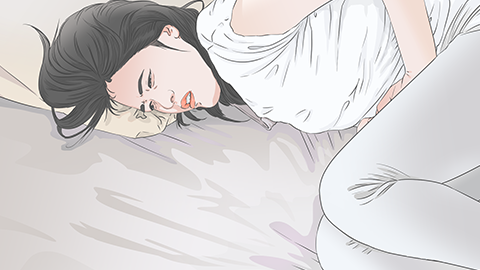
Ibuprofen is a prostaglandin synthase inhibitor. By suppressing the activity of prostaglandin synthase, it reduces prostaglandin production, thereby preventing excessive uterine contraction and spasm, and alleviating or eliminating dysmenorrhea. Clinical studies indicate that this class of medications achieves an efficacy rate of up to 80%, with optimal results when initiated at the onset of menstruation. Treatment may be continued for 2–3 consecutive days; therefore, ibuprofen is indeed appropriate for managing dysmenorrhea.

Women experiencing dysmenorrhea may also adopt other pain-relief strategies. For example, drinking warm water or brown sugar water can promote systemic blood circulation via thermal effects, thereby exerting analgesic action. Moxibustion is another option: after lighting moxa inside a moxibustion box, place it over the lower abdomen—just below the navel—to relieve discomfort. During severe pain, bed rest is advisable; applying a warm, damp towel or hot water bottle to the lower abdomen can also provide analgesia through localized heat. We hope this information proves helpful!




