


What Are the Symptoms of Cerebral Infarction?
Aug 09, 2022
Source: Cainiu Health

Dr. Li Man
Introduction
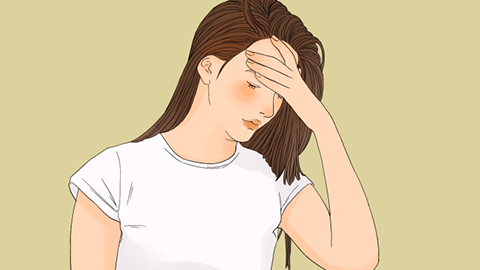
Symptoms of cerebral infarction include headache and dizziness. Headache and dizziness are among the most common symptoms of cerebral infarction. Following a cerebral infarction, blood vessels in the brain become obstructed, leading to impaired blood flow that compresses surrounding nerves—thereby causing headache and dizziness. Headache often manifests as sudden worsening or intermittent persistence. If the headache is severe and accompanied by nausea and vomiting, it may indicate hemorrhagic cerebral infarction.
Ischemic stroke is a common lifestyle-related disease, predominantly affecting middle-aged and elderly individuals. This condition carries relatively high risks; if not treated promptly, it may progress to myocardial infarction, endangering the patient’s life. For patients, timely recognition of ischemic stroke symptoms facilitates early intervention and treatment. So, what are the symptoms of ischemic stroke?
What Are the Symptoms of Ischemic Stroke?
Headache and dizziness are among the most common symptoms of ischemic stroke. Following an ischemic stroke, blood vessels in the brain become obstructed, leading to impaired blood flow that compresses surrounding nerves—resulting in headache and dizziness. Headaches often occur suddenly and worsen abruptly or persist intermittently. If severe headache is accompanied by nausea and vomiting, it may indicate hemorrhagic transformation of the ischemic stroke.
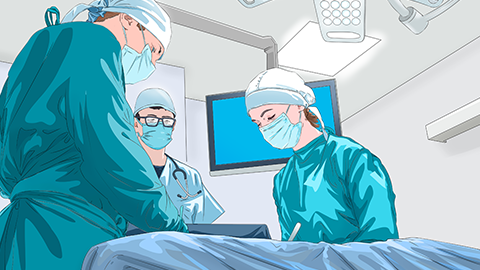
Ischemic stroke can be treated surgically. In severe cases, patients may require initial neurosurgical intervention to relieve cerebral vascular occlusion and associated symptoms. Postoperatively, patients must be hospitalized for close observation and treatment—particularly with regular monitoring of cerebrovascular function—and must adhere strictly to prescribed medications during follow-up care to optimize prognosis and accelerate recovery of brain function.
Patients are advised to maintain a balanced diet, emphasizing fresh fruits, vegetables, and whole-grain foods rich in dietary fiber, while avoiding foods high in cholesterol and saturated fat. We hope this information proves helpful to you.


