Treatment of Flat Warts
Aug 10, 2022
Source: Cainiu Health

Dr. Liu Wan
Introduction
Flat warts are a common benign skin tumor encountered in clinical practice, primarily caused by human papillomavirus (HPV) infection. They typically present as flat, flesh-colored or light-brown papules on the skin and commonly occur on the face, limbs, and trunk. Treatment options include physical therapies (e.g., cryotherapy, laser therapy), topical medications, and surgical removal. In daily life, maintain good skin hygiene, adopt a positive mindset, and actively cooperate with your physician’s treatment plan.
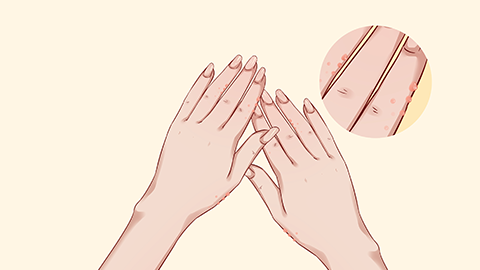
Flat warts are a condition caused by human papillomavirus (HPV). This disease commonly affects adolescents and typically appears on the face and dorsum of the hands. It is mildly contagious and can spread through direct or indirect contact. Flat warts usually present as oval or polygonal, flat-topped papules. So, how should flat warts be treated?
Treatment of Flat Warts
Flat warts are a common benign skin tumor encountered in clinical practice, primarily caused by HPV infection. They manifest as flat-topped papules on the skin, most frequently occurring on the face, limbs, and trunk. Treatment options generally include physical modalities, topical medications, and surgical intervention. A detailed analysis follows:
1. Physical Therapy
Common physical treatments include cryotherapy, laser therapy, and curettage. Note that cryotherapy is generally not recommended for facial flat warts, as it may cause skin damage.
2. Topical Medications
Under medical supervision, patients may apply salicylic acid ointment, 5-fluorouracil ointment, or tretinoin ointment to affected areas to help alleviate symptoms.
3. Surgical Treatment
During surgery, the wart tissue is implanted into the subcutaneous fat layer to stimulate the body’s immune response—producing antibodies against HPV—and thereby clearing the virus from the skin. This approach helps reduce recurrence rates and supports disease resolution.
In daily life, maintaining proper skin hygiene and a positive mental outlook, along with close collaboration with healthcare providers—including strict adherence to prescribed medication regimens (correct dosage and timing)—can significantly aid recovery. We hope this information is helpful to you.