Treatment of Flat Warts on the Neck
Aug 10, 2022
Source: Cainiu Health

Dr. Liu Wan
Introduction
In general, flat warts on the neck can be treated with medications, physical therapies, or surgical interventions.
In daily life, patients should maintain good skin hygiene and avoid scratching the affected area with their hands to prevent secondary infection and promote recovery. A positive attitude and active cooperation with the physician’s treatment plan are also beneficial for recovery.
Flat warts are a common skin condition with a certain degree of contagiousness. Although this condition does not pose a threat to the patient’s overall health, it can impair skin appearance, disrupt normal daily life and work, and cause significant distress to the patient. Therefore, prompt treatment is essential for individuals with flat warts to prevent disease progression. So, how are flat warts on the neck treated?
Treatment of Neck Flat Warts
In general, flat warts on the neck can be managed through pharmacological therapy, physical therapy, or surgical intervention. A detailed overview follows:
1. Pharmacological Therapy
Flat warts on the neck are typically caused by human papillomavirus (HPV) infection. Under a physician’s guidance, patients may apply topical medications such as fluorouracil ointment or recombinant human interferon alpha-2b ointment. These agents help enhance the body’s immune response and suppress viral replication, thereby achieving therapeutic effects.
2. Physical Therapy
Common physical modalities include CO2 laser ablation, liquid nitrogen cryotherapy, and microwave therapy. Laser treatment, for instance, uses high temperatures to thermally destroy affected skin tissue, denaturing proteins within the lesion and ultimately eliminating both the virus and the wart itself. Post-treatment, patients should avoid contact with water to minimize infection risk.

3. Surgical Treatment
If pharmacological and physical therapies prove ineffective, surgical excision of the wart under medical supervision may be performed to achieve cure. Following surgery, adequate rest is recommended to facilitate recovery.
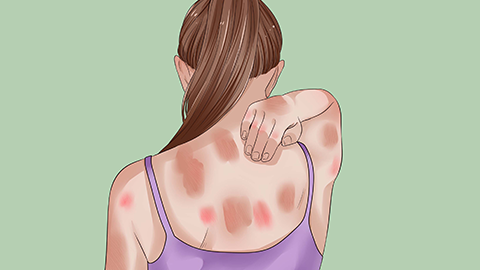
In daily life, maintaining good skin hygiene is crucial. Patients should avoid scratching or rubbing affected areas to prevent secondary infection and promote healing. Maintaining a positive attitude and actively cooperating with medical treatment also contribute significantly to recovery. We hope this information proves helpful.