What should I do for hemorrhoids and perianal eczema?
Aug 10, 2022
Source: Cainiu Health

Dr. Cheng Yicheng
Introduction
Hemorrhoids accompanied by perianal eczema require maintaining local perianal health, followed by pharmacological treatment for hemorrhoids. Surgical intervention may be necessary if conservative measures fail. Hemorrhoids complicated by perianal eczema are often caused by large hemorrhoids that prolapse beyond the anal verge, leading to relaxation of the anal sphincter and incomplete anal closure. This results in excessive leakage of intestinal fluid from the anus, thereby inducing perianal eczema.
In real life, uncomfortable symptoms such as perianal eczema cause significant psychological distress for patients—especially when pruritus (itching) and other unpleasant symptoms occur. Patients often feel helpless and hesitant to scratch, which can be extremely embarrassing. So, what should one do when hemorrhoids coexist with perianal eczema?
Management of Hemorrhoids Complicated by Perianal Eczema
For patients with both hemorrhoids and perianal eczema, maintaining local perianal hygiene is essential, followed by appropriate hemorrhoid treatment—medications or, if necessary, surgical intervention. This combination condition often arises from large, prolapsed hemorrhoids that cause relaxation of the anal sphincter, resulting in incomplete anal closure and leakage of substantial amounts of intestinal fluid. This persistent moisture irritates the perianal skin, ultimately leading to eczema. Therefore, meticulous local perianal hygiene is critical: change undergarments frequently; gently cleanse the anal area with warm water regularly; pat dry thoroughly; then apply an anti-eczema ointment to keep the area dry.
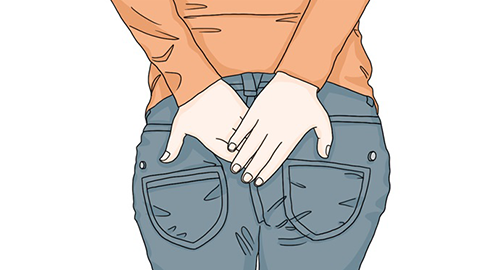
When hemorrhoids and perianal eczema coexist clinically, active pharmacological treatment is recommended. For hemorrhoids, suppositories or topical ointments are commonly used, as most formulations provide analgesic, anti-inflammatory, antipruritic, and hemostatic effects. For perianal eczema, topical corticosteroid ointments may be prescribed to alleviate itching; however, prolonged use is not advised. Additionally, patients may benefit from warm sitz baths—optionally supplemented with mild antipruritic agents—to soothe the affected area.
Dietary management for patients with perianal eczema emphasizes light, bland foods. Spicy foods must be strictly avoided, and intake of red meat should be minimized—both measures help reduce symptom severity. Instead, patients should consume foods rich in vitamins and minerals. We hope this information proves helpful.