


How to treat ear canal eczema

Generally, ear canal eczema may be caused by factors such as a moist and sweaty ear canal, sensitive allergic constitution, contact dermatitis, secondary seborrheic dermatitis, or irritation from chronic otitis media. It is recommended to seek medical attention promptly, identify the underlying cause, and then improve symptoms under a doctor's guidance through general management, medication, and other treatments. The specific analysis is as follows:
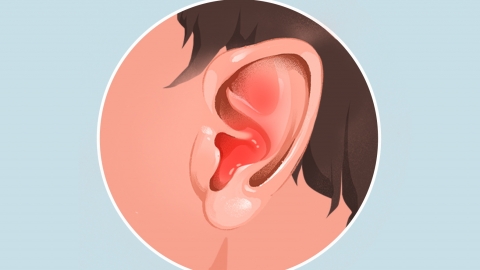
1. Moist and sweaty ear canal: Excessive sweat secretion in the ear canal or water entering without timely cleaning can easily promote bacterial growth and trigger eczema, manifesting as itching and oozing. Gently wipe the external ear canal opening daily with a clean, dry cotton swab to keep it dry. Use waterproof earplugs during bathing to prevent water from entering the ear canal.
2. Allergic constitution sensitivity: Individuals with allergies may develop an immune reaction in the ear canal skin upon exposure to allergens such as pollen or animal dander, leading to eczema. Once the allergen is identified, avoid contact with it. Wear a mask when going outdoors, and regularly clean indoor spaces to reduce allergen residue.
3. Contact dermatitis-induced: Wearing nickel-containing earrings or using irritating ear-cleaning solutions can irritate the ear canal skin and cause eczema, accompanied by redness and itching. Patients should follow medical advice to apply topical medications such as desonide cream, mometasone furoate cream, or hydrocortisone butyrate cream, and switch to hypoallergenic earrings made of pure silver or titanium alloy.
4. Secondary to seborrheic dermatitis: Seborrheic dermatitis originating on the scalp may spread to the ear canal. Abnormal sebum secretion irritates the skin and leads to eczema, often accompanied by oily scales. Patients should use ketoconazole shampoo to wash the scalp and the entrance of the external ear canal as directed by a physician, and take oral antihistamines such as loratadine tablets, cetirizine hydrochloride tablets, or ebastine tablets as prescribed.
5. Chronic otitis media irritation: Long-term pus discharge from otitis media continuously irritates the ear canal skin, inducing eczema, which may be accompanied by ear pain and hearing loss. Patients should follow medical instructions to use ofloxacin otic solution, cefixime dispersible tablets, or amoxicillin-clavulanate potassium tablets to control the infection.
In daily life, avoid scratching the ear with fingers or sharp objects to prevent skin injury and worsening infection. Maintain a light diet, reduce intake of spicy and irritating foods, adhere to regular作息 (sleep-wake) patterns to enhance skin resistance, and promote recovery from eczema.


