


What Causes Breast Hyperplasia?
Aug 10, 2022
Source: Cainiu Health

Dr. Chen Zhe
Introduction
There are numerous causes of mammary gland hyperplasia, with hormonal fluctuations in the human body being the most common. These hormonal changes are particularly evident in women during menstruation and menopause. Psychological factors also contribute significantly—prolonged anxiety, depression, or frequent anger can play a role. Additionally, consuming unhealthy foods may also be a contributing factor.
Many women are prone to developing mammary gland hyperplasia after childbirth, often accompanied by breast pain—potentially causing serious harm to their physical and mental health. So, what causes mammary gland hyperplasia?
Causes of Mammary Gland Hyperplasia
Mammary gland hyperplasia has multiple etiologies, the most common being hormonal fluctuations—particularly evident in women during menstruation or menopause. Psychological factors also contribute significantly: prolonged anxiety, depression, or intense anger can trigger breast pain and hyperplastic changes. Additionally, consumption of unhealthy foods—such as highly spicy or greasy items—may exacerbate mammary gland hyperplasia.
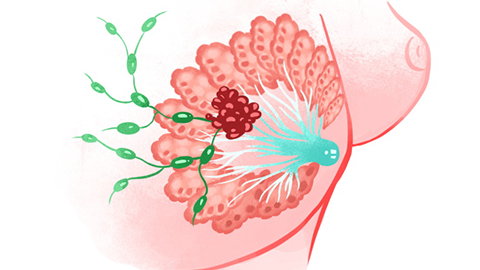
Mammary gland hyperplasia primarily occurs during puberty and results from compensatory hyperplasia of mammary glandular tissue. Patients typically experience breast distension and pain, especially worsening before menstruation.

Irregular daily routines—including staying up late or experiencing frequent emotional outbursts—can further aggravate symptoms. Treatment for mammary gland hyperplasia includes conventional medical management, lifestyle adjustments, and dietary modifications. Under physician guidance, traditional Chinese patent medicines that promote blood circulation, resolve stasis, soothe the liver, and relieve depression—such as Jia Wei Xiao Yao Wan (Augmented Rambling Powder) or Ru Kang Pian (Mammary Health Tablets)—may also be prescribed to alleviate symptoms. Regular follow-up examinations are essential throughout treatment. I hope this response proves helpful to you. Wishing you good health and a joyful life!



