How to treat flat warts
Aug 11, 2022
Source: Cainiu Health

Dr. Liu Wan
Introduction
Treatment of flat warts varies among individuals, depending on factors such as age, lesion location, and number of lesions. Topical medications—such as tretinoin cream or phthalylbutamben ointment—may be used. Physical therapies include cryotherapy, laser therapy, and photodynamic therapy (PDT). PDT is particularly suitable for numerous facial lesions but is relatively expensive. In cases of widespread lesions, systemic immunomodulators are often prescribed orally.
Flat warts are a relatively common dermatological condition—not a spinal disorder. Taking preventive measures in daily life can significantly reduce the likelihood of developing flat warts. Every patient should seek active treatment, especially in the early stages, as timely intervention facilitates faster recovery and alleviates associated discomfort. So, how are flat warts treated?
How Are Flat Warts Treated?
Treatment for flat warts varies depending on the individual—factors such as age, lesion location, and number of lesions all influence therapeutic choices. Topical medications commonly used include tretinoin cream or phthalyl butylamine ointment. Physical therapies include cryotherapy (freezing), laser therapy, and photodynamic therapy (PDT). PDT is particularly suitable for cases with numerous lesions on the face, though it tends to be more costly. For widespread or recalcitrant lesions, systemic treatments—such as oral immunomodulators (e.g., immune-enhancing agents) or traditional Chinese herbal decoctions—may be prescribed. If monotherapy proves ineffective, combination approaches—such as topical plus oral medications, or physical therapy combined with oral medication—may be considered.
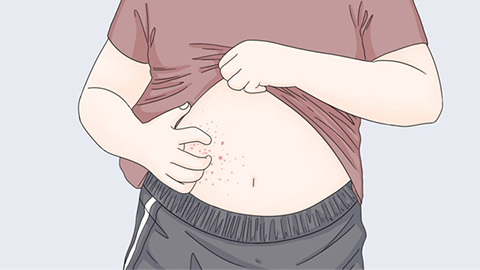
To prevent flat warts, protecting the skin is essential—this helps avoid infection and disease onset. Avoid skin trauma, as breaks in the skin barrier allow human papillomavirus (HPV) to enter and cause infection, potentially leading to flat warts. Should accidental injury occur in daily life, proper wound care is crucial. Additionally, to minimize infection risk, avoid indiscriminate use of shared personal items (e.g., towels, razors).
In daily life, patients should maintain a positive attitude, actively cooperate with their physicians, take prescribed medications consistently and correctly, and prioritize routine skin care—thereby promoting faster clinical improvement. We hope this information is helpful to you.