Best Treatment for Flat Warts
Aug 11, 2022
Source: Cainiu Health

Dr. Liu Wan
Introduction
There is no universally “best” treatment for flat warts; the choice of therapy should be individualized based on the patient’s specific circumstances. For instance, topical agents—such as tretinoin cream, imiquimod cream, or interferon cream—are generally preferred for treating facial flat warts, while invasive modalities like cryotherapy and laser therapy should be avoided whenever possible, as they carry a risk of scarring.
Flat warts are a common skin condition encountered in daily life. This disease primarily affects exposed areas of the skin, such as the face and hands. Although flat warts have a relatively high incidence, they are generally non-contagious. However, treatment can be challenging, making flat warts a persistent source of concern for many individuals. So, what is the optimal treatment for flat warts?
Optimal Treatment Approaches for Flat Warts
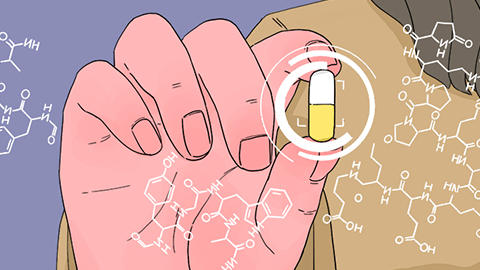
There is no universally “best” treatment for flat warts; rather, therapy should be individualized based on the patient’s specific clinical presentation. For instance, topical medications—such as tretinoin cream, imiquimod cream, or interferon cream—are often preferred for facial flat warts, while invasive modalities like cryotherapy or laser therapy should be avoided whenever possible to minimize the risk of scarring. Oral traditional Chinese medicine may also be considered. If lesions are widespread and show poor response to topical therapy, oral isotretinoin may be prescribed. Conversely, for isolated lesions confined to the dorsum of the hands or extremities, laser therapy or cryotherapy may be selected for rapid efficacy.
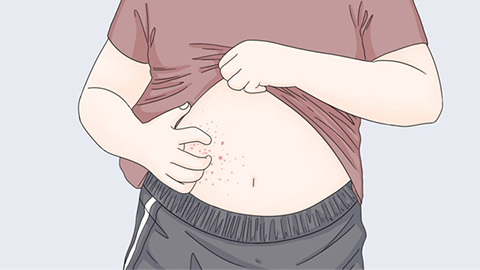
Flat warts are caused by infection with human papillomavirus (HPV) affecting the skin. They commonly appear on the face and dorsal aspects of the hands, presenting as small, flat, brownish or skin-colored papules. The most frequently affected sites include the face, arms, and forearms. Characteristically, they manifest as minute, flat, rice-grain–sized elevations on the skin or mucosa—typically oval or round, with smooth surfaces and firm consistency—and closely matching normal skin color. Flat warts tend to increase in number over time.
Patients with flat warts should cultivate healthy daily habits, maintain good skin hygiene, and take appropriate protective measures to prevent recurrence. We hope this information proves helpful to you.