Symptoms of Stomach Yin Deficiency
Aug 12, 2022
Source: Cainiu Health

Dr. He Haochen
Introduction
Gastric yin deficiency clinically manifests as dull epigastric pain, anorexia despite hunger, dry retching, hiccups, sore throat, dry mouth, constipation, scanty and dark urine, red tongue with scanty coating, and a rapid pulse. This condition primarily results from insufficiency of gastric yin fluids—either due to depletion following febrile illness or excessive consumption of pungent and drying foods.
Due to the immense pressure people face today and their extremely busy daily routines, an increasing number of individuals are experiencing irregular eating habits. Over time, this can cause significant damage to the gastrointestinal system; consequently, more and more people are now developing *Stomach Yin Deficiency* (a TCM pattern). So, what are the symptoms of Stomach Yin Deficiency?
Symptoms of Stomach Yin Deficiency
Clinically, Stomach Yin Deficiency manifests primarily as dull epigastric pain, hunger without appetite, dry retching or hiccups, sore throat, dry mouth, constipation, scanty dark urine, a red tongue with scanty coating, and a rapid pulse. This pattern mainly arises from insufficiency of Stomach Yin—either due to depletion following febrile illness, excessive consumption of spicy or pungent foods, or other factors that impair Yin fluids. Accurate diagnosis requires evaluation by a highly skilled TCM practitioner; therefore, patients should consult a qualified physician at a hospital for thorough symptom analysis before initiating any treatment.
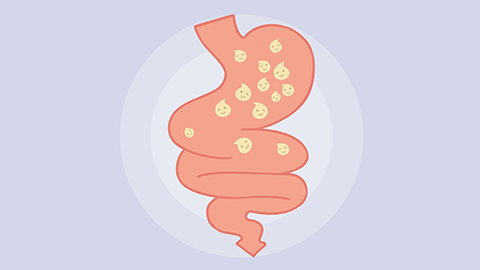
Stomach Yin Deficiency is associated not only with constitutional and genetic factors but also with postnatal influences. Delayed or inadequate treatment of chronic gastric disorders may lead to Yin depletion, especially during febrile episodes in later stages. It may also result from habitual consumption of greasy, sweet, rich, or stimulating foods—such as chili peppers, scallions, garlic, barbecued dishes, and hotpot. Emotional strain leading to Qi stagnation transforming into Fire can further consume Stomach Yin, thereby contributing to this pattern. Chronic sleep deprivation, smoking, and excessive alcohol intake may likewise exacerbate Stomach Yin Deficiency. Individuals with this condition should avoid spicy foods and instead consume plenty of fresh vegetables and fruits. Herbal remedies may be used for regulation—for example, decoctions made from Chinese yam (*Dioscorea opposita*), Codonopsis root (*Codonopsis pilosula*), Japanese knotweed rhizome (*Polygonum multiflorum*), lotus leaf (*Nelumbo nucifera*), bupleurum root (*Bupleurum chinense*), and hyacinth bean (*Lablab purpureus*). The proprietary formula *Qing Wei San* (Clear Stomach Powder) may also be considered. However, all herbal treatments must be administered under the guidance of a qualified TCM practitioner.
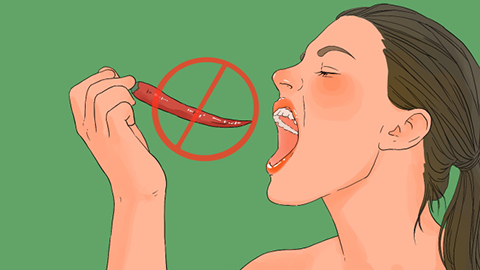
Patients are advised to proactively pursue effective treatment and pay close attention to dietary hygiene to avoid unnecessary complications. We hope this information proves helpful.