


Can sleep deprivation cause nausea and vomiting?
Aug 12, 2022
Source: Cainiu Health

Dr. Zhao Haiming
Introduction
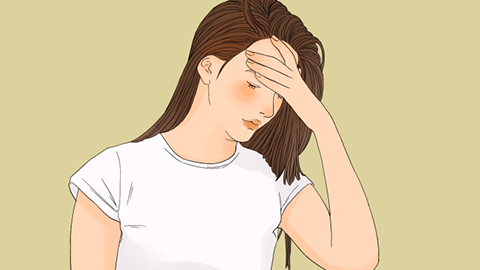
Sleep deprivation can cause nausea and vomiting. Chronic sleep deprivation can severely harm the body, leading to a decline in physiological function. Initially, the skin may become dull and the eyes puffy; in severe cases, it may increase the risk of cardiovascular disease, hypertension, stroke, diabetes, and other conditions. Chronic sleep deficiency can also impair memory and attention.
In fact, many people may experience symptoms such as dizziness, nausea, and vomiting in daily life. These symptoms rarely stem from a single cause; however, some individuals worry they might indicate cerebrovascular disease—and thus seek prompt medical attention. So, can sleep deprivation cause nausea and vomiting?
Can Sleep Deprivation Cause Nausea and Vomiting?
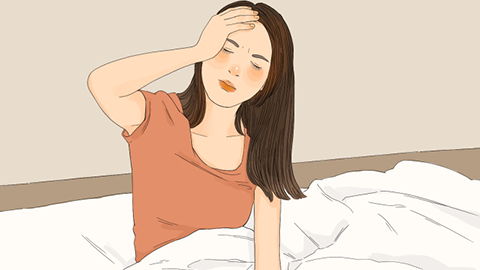
Yes, sleep deprivation can indeed trigger nausea and vomiting. Chronic insufficient sleep inflicts significant harm on the body. It impairs overall physiological function: initially manifesting as dull skin and periorbital edema; in more severe cases, it elevates the risk of cardiovascular diseases—including heart disease, hypertension, stroke—as well as diabetes. Persistent sleep loss also diminishes memory, attention, alertness, and problem-solving abilities. Furthermore, it increases appetite—potentially leading to obesity—and contributes to emotional disturbances, raising the likelihood of depression. Ultimately, prolonged sleep deficiency severely compromises physical health.
Maintain food hygiene and bolster immunity; avoid indiscriminate antibiotic use. Common causes of vomiting and diarrhea include consuming contaminated food or overeating. In daily meals, ensure all food is thoroughly washed and fully cooked. Discard any food showing signs of mold, spoilage, or decay. Regular moderate exercise is also essential to enhance immune function. Strengthened immunity helps reduce the incidence of common colds and prevents viral invasion of the gastrointestinal tract.
In daily life, cultivate healthy lifestyle and dietary habits. We hope this response has been helpful to you.





