


What Should I Do About Dysmenorrhea?
Aug 15, 2022
Source: Cainiu Health

Dr. Chen Zhe
Introduction
Dysmenorrhea management should include daily exercise and emotional regulation. Dysmenorrhea is primarily caused by inadequate blood circulation; patients may drink safflower tea. Safflower is a commonly used herb known for its blood-activating and stasis-resolving properties. Dysmenorrhea most frequently occurs when the body is weakened; therefore, individuals who frequently experience dysmenorrhea should engage in approximately 30 minutes of daily physical exercise to improve overall physical fitness.
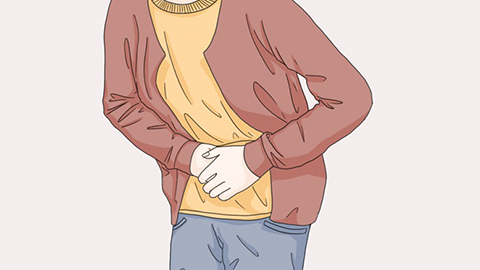
Many women experience regular menstrual cycles, yet numerous female friends dread their periods—primarily because each month brings significant discomfort, with dysmenorrhea (painful menstruation) being the main culprit. Dysmenorrhea is neither trivial nor negligible; gaining a better understanding of it can greatly aid in both prevention and treatment. So, what should one do about dysmenorrhea?
What to Do About Dysmenorrhea
Dysmenorrhea management should include consistent daily exercise and mindful emotional regulation. Insufficient blood circulation is a primary cause of dysmenorrhea; patients may benefit from consuming safflower (Carthamus tinctorius), a commonly used herb known for its blood-activating and stasis-resolving properties. Dysmenorrhea frequently occurs in individuals with constitutional weakness; thus, those who regularly suffer from painful periods are advised to engage in approximately 30 minutes of physical activity daily to enhance overall physical fitness and help prevent dysmenorrhea. Additionally, emotional control is essential in daily life. Emotional instability often stems from excessive stress, which can lead to nervous tension and directly disrupt menstrual regularity.

During menstruation, soaking brown sugar in warm water can help alleviate pain. Therefore, women are advised to keep brown sugar readily available at home. When menstruation begins, simply add brown sugar to a cup and pour in hot water. Once the temperature cools to lukewarm, drink it directly—it can effectively relieve pain associated with dysmenorrhea.
In daily life, cultivating healthy lifestyle and dietary habits is essential. We hope this information proves helpful to you.




