


Differences Between Duodenal Ulcers and Gastric Ulcers
Aug 15, 2022
Source: Cainiu Health

Dr. Zhao Haiming
Introduction
The key distinction between duodenal ulcers and gastric ulcers lies in their differing pain characteristics. Both gastric and duodenal ulcers are ulcerative lesions of the gastrointestinal tract and share similar clinical symptoms. The location and nature of the pain are also largely comparable—both typically present with upper abdominal pain, such as dull or burning discomfort, as well as acid reflux and loss of appetite. However, the pain characteristics of these two types of ulcers differ distinctly.
Duodenal ulcers are a condition that predominantly affects males. They are not contagious but may have a genetic component. The incidence peaks during winter and spring. Gastric ulcers, on the other hand, are gastrointestinal disorders most commonly seen in middle-aged and elderly individuals, as well as those who overeat. So, what are the differences between duodenal ulcers and gastric ulcers?
Differences Between Duodenal Ulcers and Gastric Ulcers
The primary distinction lies in their characteristic pain patterns. Both gastric and duodenal ulcers are ulcerative lesions of the gastrointestinal tract and share similar clinical symptoms. Their pain locations and general characteristics are also comparable—both typically cause upper abdominal discomfort, such as dull or burning pain, along with acid reflux and loss of appetite. However, their pain patterns differ significantly: patients with gastric ulcers usually experience pain within one hour after eating, which gradually subsides over the next 1–2 hours. In contrast, duodenal ulcer pain typically occurs before meals or during fasting intervals—specifically, 1–3 hours after eating—and persists until the next meal unless relieved by medication or food intake. Notably, if pain begins 2–4 hours after eating, it often improves upon eating again.
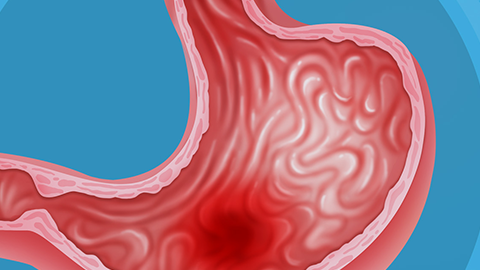
Preventive measures for both duodenal and gastric ulcers emphasize dietary modifications. Individuals diagnosed with either condition should consume foods free from mechanical or chemical irritation. Low-fiber, easily digestible foods are recommended. It is advisable to limit intake of meats and glutinous rice products, which can stimulate gastric acid secretion or are difficult to digest. Smoking and alcohol consumption should be avoided entirely, as both can exacerbate disease progression.

If symptoms suggestive of either condition appear, prompt medical evaluation and treatment are essential to avoid missing the optimal window for intervention. We hope this information proves helpful to you.




