


What causes unilateral tinnitus?
Aug 15, 2022
Source: Cainiu Health

Dr. Xu Gang
Introduction
Causes of unilateral tinnitus:
First, otitis media—particularly serous otitis media with middle ear effusion—may cause a sensation of ear fullness and tinnitus.
Second, impaired microcirculation in the inner ear, leading to inadequate delivery of neurotrophic substances to auditory nerve structures, may also result in tinnitus.
Third, significant cerumen impaction in the external auditory canal is another common cause of tinnitus.
Recently, as the person primarily responsible for work tasks, I’ve had to wear headphones continuously throughout the day. Over the past two days, I’ve experienced tinnitus—ringing in the ear—while sleeping, and it occurs only in one ear. As a result, I’ve been unable to sleep well every night. So, what causes unilateral tinnitus?
What Causes Unilateral Tinnitus?
In daily life, if a patient experiences tinnitus in only one ear, the following potential causes should be considered: First, otitis media (middle ear infection) may be present—particularly cases involving fluid accumulation in the middle ear—which can produce sensations of ear fullness and tinnitus. Second, impaired blood circulation in the inner ear, leading to insufficient delivery of neurotrophic nutrients, may also cause tinnitus. Third, excessive cerumen (earwax) impaction in the ear canal is another common cause of tinnitus.
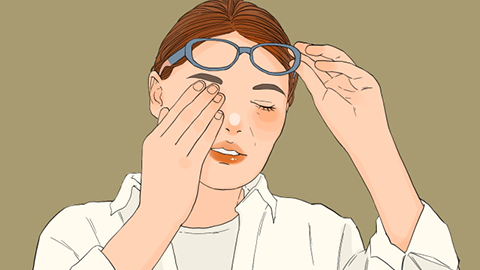
Regardless of which of the above causes is responsible for the tinnitus, prompt, targeted treatment is strongly recommended. Once the underlying cause has been clearly identified, appropriate intervention will likely lead to significant improvement in unilateral tinnitus. Patients should also routinely clean their ear canals and avoid water accumulation in the ears to prevent infection.
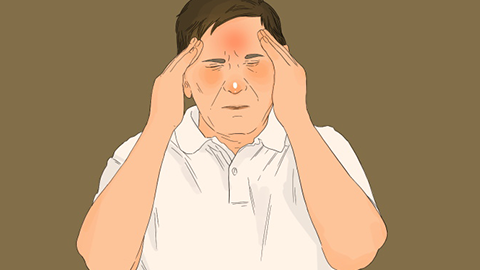
For unilateral tinnitus, the first step is to visit a hospital for examination of the external auditory canal and tympanic membrane—to rule out conductive hearing loss or cerumen impaction as potential causes. Otitis media must also be excluded as a possible contributor. If neither of these conditions is present, the tinnitus may instead stem from chronic fatigue, hypertension, or sleep deprivation, all of which can induce ischemia, edema, and spasm of the auditory nerve—resulting in sensorineural tinnitus. Treatment options may include intramuscular injection of Ginkgo Diamine Injection (Ginkgo biloba extract and dipyridamole), oral methylcobalamin tablets, and adjunctive acupuncture therapy. We hope this information proves helpful!


