


What should I do if I experience stomach acid reflux, nausea, and vomiting?
Aug 15, 2022
Source: Cainiu Health

Dr. Zhao Haiming
Introduction
Patients experiencing acid reflux, nausea, and vomiting may alleviate symptoms by drinking warm water to soothe the gastrointestinal tract or, under the guidance of a qualified physician, using appropriate medications. Consuming spicy or cold foods can trigger gastric spasms and excessive gastric acid secretion, thereby inducing symptoms such as acid reflux, nausea, and vomiting. Drinking warm water helps relieve gastric spasms, partially neutralize gastric acid, and support metabolic function.
In daily life, people sometimes experience nausea and vomiting, which can cause significant discomfort. In such cases, it is essential to identify and implement appropriate treatment promptly. So, what should one do when experiencing nausea and vomiting caused by excess stomach acid?
What to Do for Nausea and Vomiting Caused by Excess Stomach Acid
Patients experiencing nausea and vomiting due to excess stomach acid may find relief by drinking warm water to soothe the gastrointestinal tract or, under the guidance of a qualified physician, using medications to alleviate symptoms. For instance, consuming spicy or cold foods can trigger gastric spasms and increase gastric acid secretion, thereby leading to nausea and vomiting associated with excess stomach acid. Drinking warm water helps relax gastric spasms, neutralize excess gastric acid, enhance metabolic function, and accelerate gastric acid elimination—thus effectively relieving nausea and vomiting.

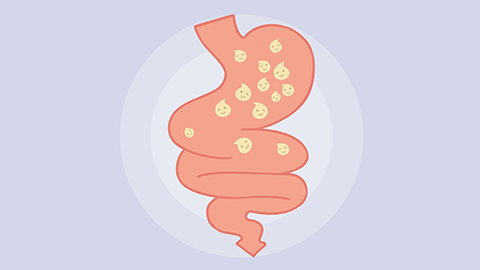
In healthy individuals, the stomach naturally secretes gastric acid to aid digestion. However, certain medical conditions may cause gastric acid to reflux from the stomach into the esophagus via relaxation of the muscles between them, resulting in noticeable discomfort such as acid reflux and heartburn. Under normal physiological conditions, even during inversion (e.g., headstands), gastric acid does not reflux into the esophagus. Gastroesophageal reflux disease (GERD) typically arises from abnormal relaxation of the lower esophageal sphincter—the muscular valve between the stomach and esophagus—and usually requires pharmacological management. In severe cases, an upper endoscopy (gastroscopy) is recommended to determine the underlying cause.
It is advisable for patients to avoid drinking fluids for several hours after eating, as this practice can also help significantly alleviate nausea and vomiting. We hope this information proves helpful to you.









