Symptoms and Treatment of Allergic Gastroenteritis
Aug 20, 2022
Source: Cainiu Health

Dr. Zhao Haiming
Introduction
Symptoms of allergic gastroenteritis include diarrhea: some individuals experience multiple sudden bowel movements shortly after breakfast, with no diarrhea at other times. Diarrhea does not occur at night nor does it cause nocturnal awakening due to the urge to defecate; therefore, it does not disrupt sleep or lead to fecal incontinence. Stools contain large amounts of white or clear mucus, and some patients pass stools composed almost entirely of mucus.
Gastroenteritis is classified into acute enteritis and chronic gastroenteritis. Allergic gastroenteritis is also a type of enteritis. What are its symptoms and treatment options?
Symptoms and Treatment of Allergic Gastroenteritis
Symptoms of allergic gastroenteritis include diarrhea: some individuals experience multiple bowel movements shortly after breakfast, with no diarrhea occurring at other times. Diarrhea does not occur at night nor does it cause nocturnal awakening due to the urge to defecate; thus, it does not disrupt sleep or lead to fecal incontinence. Stools often contain abundant white or transparent mucus, and some patients pass stools composed almost entirely of mucus. Abdominal pain is a common symptom of allergic gastroenteritis, frequently accompanied by altered bowel habits. Pain most commonly localizes to the left lower abdomen or right abdomen. Patients describe the pain differently—such as colicky or distending pain.
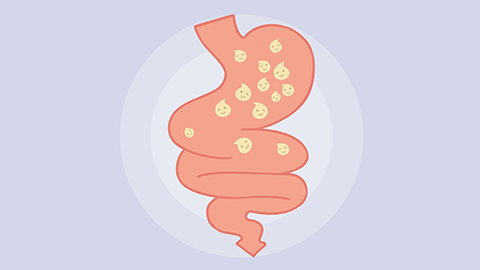
Constipation: stool volume is reduced and defecation is difficult. Contraction of the anal sphincter may result in pencil-thin stools. Other manifestations include additional gastrointestinal symptoms, such as postprandial epigastric bloating, anorexia, belching, and nausea. Autonomic nervous system dysfunction may also occur, presenting as palpitations, fatigue, somnolence, excessive sweating, hot flashes, and headache. Psychological symptoms—including insomnia, anxiety, and depression—may also be present.

Allergic gastroenteritis involves gastrointestinal functional disturbances, and affected individuals typically have an allergic constitution; therefore, medication use requires special caution. Overuse of drugs must be strictly avoided. To ensure therapeutic efficacy without causing harm, ketoprofen tablets or cyproheptadine tablets may be considered. In cases of severe allergic gastroenteritis, prompt medical consultation is essential for professional diagnosis and treatment. We hope this article has been helpful. Wishing you a joyful life and good health!