


Can people with diabetes drink hawthorn, red date, and goji berry water?
Aug 22, 2022
Source: Cainiu Health

Dr. Pan Yongyuan
Introduction
Hawthorn tea (prepared by steeping hawthorn berries in hot water) can be consumed in moderation—for example, hawthorn-goji-red date tea. When blood glucose levels are well-controlled, patients with diabetes may consume hawthorn tea in moderation. It helps maintain hydration, promotes metabolism, regulates the spleen and stomach, improves microcirculation and blood glucose control, and supports the basal metabolic function of individuals with diabetes. Therefore, patients with diabetes may consume hawthorn tea in moderation.
A beverage made by steeping hawthorn berries, red dates (jujubes), and goji berries in water is highly nutritious. But can people with diabetes drink this hawthorn-red date-goji infusion?
Can people with diabetes drink hawthorn-red date-goji water?
Hawthorn tea alone may be consumed in moderation—for example, the combined hawthorn-red date-goji infusion. When blood glucose levels are well-controlled, individuals with diabetes may drink this infusion in moderation. It helps maintain hydration, promotes metabolism, regulates spleen and stomach function, improves microcirculation, and supports baseline metabolic health in diabetic patients. Therefore, people with diabetes may consume hawthorn tea in moderation.
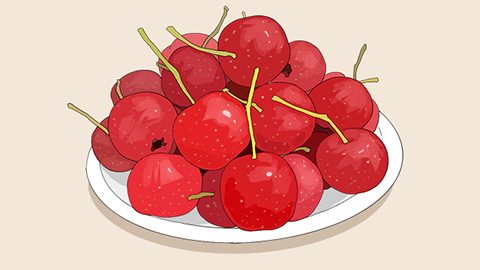
Hawthorn is a traditional herbal remedy known for strengthening the spleen and stomach, stimulating appetite, aiding digestion, promoting blood circulation, and resolving phlegm. According to Traditional Chinese Medicine (TCM), hawthorn is not suitable for tonification; individuals with weak spleen and stomach function should avoid excessive consumption, and children especially should limit intake. Overconsumption may lead to malnutrition and anemia, and thus is not recommended for people with diabetes. Red dates (jujubes) help replenish vital energy (Qi), nourish the blood, and calm the mind, and are commonly used to treat spleen deficiency, poor appetite, fatigue, loose stools, and gynecological disorders. Goji berries nourish the liver and kidneys and moisten the lungs. When combined in an infusion, these three ingredients synergistically strengthen the spleen, aid digestion, invigorate Qi, calm the mind, and nourish the liver and kidneys—without notable contraindications.

People with diabetes must strictly control their caloric intake. For breakfast, one egg and 150 mL of milk are appropriate. At lunch, a small portion of rice is acceptable, along with low-calorie dishes such as stir-fried bitter melon or cold-dressed cucumber. For dinner, non-starchy vegetables like celery and spinach are ideal. A small serving of fruit between meals is permissible. Diabetic dietary management should avoid high-calorie, high-fat, and high-sugar foods to prevent blood glucose spikes. We hope this information is helpful. Wishing you good health and a joyful life!


