


How to regulate and treat insufficient qi and blood in women
Dec 12, 2025
Source: Cainiu Health

Dr. Sun Lianqing
Introduction
Women with insufficient qi and blood can improve their condition through dietary adjustments, regular作息 (sleep schedule), moderate exercise, emotional management, and complementary Traditional Chinese Medicine methods. If symptoms such as pale complexion, dizziness, fatigue, and irregular menstruation persist over a long period and do not respond to self-care measures, timely medical evaluation is necessary. Increase intake of foods rich in iron, protein, and vitamins, such as red meat, animal liver, red dates, and soy products.
Deficiency of qi and blood in women can be improved through dietary regulation, regular作息, moderate exercise, emotional management, and traditional Chinese medicine (TCM) support. If symptoms such as pale complexion, dizziness, fatigue, and menstrual irregularities persist over a long period and do not respond to self-care, timely medical evaluation is necessary.
1. Dietary Regulation: Increase intake of foods rich in iron, protein, and vitamins, such as red meat, animal liver, red dates, and soy products. Maintain balanced nutrition and avoid excessive dieting or picky eating to provide sufficient raw materials for the production of qi and blood.
2. Regular Sleep Schedule: Ensure 7–8 hours of sleep each night and avoid staying up late. The nighttime hours are crucial for the body’s restoration of qi and blood. A consistent routine supports normal organ function and promotes the circulation and transformation of qi and blood.
3. Moderate Exercise: Engage in gentle exercises such as jogging, yoga, or tai chi, 3–5 times per week for about 30 minutes each session. This helps strengthen the body, improve blood circulation, and alleviate poor flow of qi and blood.
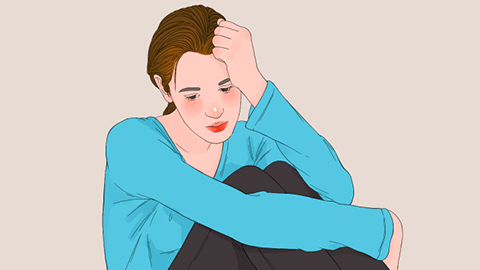
4. Emotional Management: Maintain a positive mood and avoid prolonged anxiety or depression. Negative emotions can impair the liver's function of smoothing qi flow, thereby hindering the generation and circulation of qi and blood. Emotions can be regulated through activities like listening to music or talking with others.
5. TCM Support: Under the guidance of a qualified practitioner, consider using therapies such as moxibustion, acupressure or massage on key points like Zusanli (ST36) and Xuehai (SP10), or taking herbal remedies such as Angelica sinensis (Danggui) and Astragalus (Huangqi) to tonify qi and nourish blood. Avoid self-medicating or performing treatments without professional advice.
In daily care, pay attention to dressing appropriately according to seasonal changes to prevent colds that may damage qi and blood. Maintain a balance between work and rest, avoid overexertion, and regularly monitor your physical condition. Through scientific self-care practices, support the recovery of qi and blood and maintain overall health.


