


How is gastric ulcer bleeding treated?
Aug 22, 2022
Source: Cainiu Health

Dr. Zhao Haiming
Introduction
After gastric ulcer bleeding, the patient’s first priority should be strict bed rest—avoiding haste and actively suppressing and relaxing emotional stress. In the early stage of the disease, patients should pay special attention to keeping warm. As this condition is often severe, family members must ensure the patient maintains a head-down (Trendelenburg) position to enhance cerebral blood supply.
Gastric ulcers are a common gastrointestinal disorder with numerous causative factors. When a gastric ulcer bleeds, immediate medical attention at a hospital is essential to prevent further complications. So, how is gastric ulcer bleeding treated?
How Is Gastric Ulcer Bleeding Treated?
Upon experiencing gastric ulcer bleeding, the patient’s first priority should be absolute bed rest. It is crucial to remain calm and avoid anxiety or emotional stress. During the early stage of the condition, special attention must be paid to keeping the patient warm. As this condition can be severe, family members should position the patient with the head slightly lowered (Trendelenburg position) to enhance cerebral blood flow. If the patient exhibits marked anxiety or irritability, family members may administer an intramuscular sedative—under medical guidance.
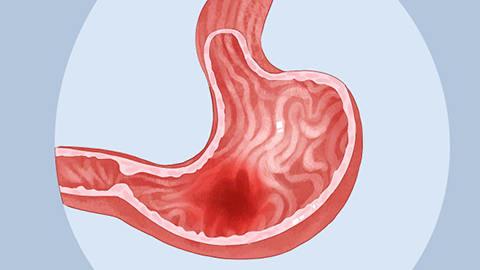
After gastric ulcer bleeding occurs, family members must closely monitor the patient’s clinical status—particularly blood pressure, pulse rate, respiration, and body temperature. In cases of substantial bleeding, frequent blood pressure measurements are necessary to guide timely and effective treatment. Dietary management is also critical: provide small amounts of liquid or semi-liquid foods such as milk, soy milk, or egg drop soup. If nausea or vomiting develops, oral intake should be temporarily discontinued; feeding may resume once vomiting has ceased.

In daily life, patients should maintain a positive mental outlook, actively cooperate with their physicians’ treatment plans, take prescribed medications regularly and in correct dosages, and adhere to appropriate self-care practices to facilitate prompt recovery.




