How to Identify Gastric Bleeding
Aug 22, 2022
Source: Cainiu Health

Dr. Zhou Chao
Introduction
In most cases, gastric bleeding can be diagnosed based on clinical symptoms and laboratory tests. If a patient experiences symptoms such as blurred or blackened vision, palpitations, pallor of the face and lips, and fatigue, gastric bleeding may be the underlying cause. Prompt medical evaluation at a hospital is strongly recommended. In daily life, patients should maintain regular, balanced meals; avoid spicy and irritating foods; and refrain from overeating or binge eating to prevent symptom exacerbation.
Under normal circumstances, after gastric acid secretion, blood in the stomach appears black or brown; bright red blood is rarely observed unless the bleeding volume is relatively large. So how can gastric bleeding be identified?
How to Identify Gastric Bleeding
In general, gastric bleeding can be diagnosed based on clinical symptoms and laboratory tests. A detailed analysis follows:
1. Symptoms
If stools gradually turn black—or if tarry, black stools (melena) are recently observed—gastric bleeding may be the cause. Additionally, recent pallor of the conjunctiva accompanied by upper abdominal pain may also suggest gastric bleeding. In severe cases, symptoms may include nausea, vomiting, epigastric pain, acid reflux, coffee-ground vomitus, or hematemesis (vomiting blood).

2. Laboratory Tests
If symptoms are present, patients should seek medical evaluation at a hospital. Diagnostic tests may include gastroscopy and complete blood count (CBC). Gastroscopy can directly identify the bleeding source—for example, gastric ulcers, gastric cancer, or gastric variceal bleeding—thereby confirming gastric bleeding. A CBC showing significantly decreased hemoglobin levels, combined with a positive fecal occult blood test, also supports the diagnosis of gastric bleeding.
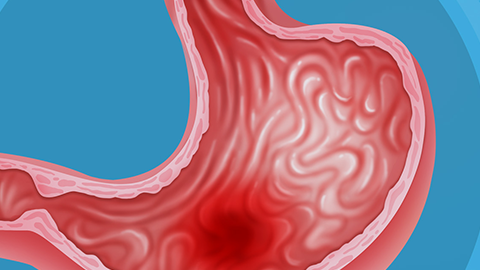
If a patient experiences symptoms such as blurred or dimmed vision, palpitations, pallor of the face and lips, and generalized fatigue, these may indicate gastric bleeding. Prompt medical consultation is strongly advised to determine the underlying cause and initiate targeted treatment.
In daily life, patients should maintain regular, balanced meals; avoid spicy, irritating, or overly rich foods; and refrain from binge eating or drinking, all of which may exacerbate symptoms. We hope this information proves helpful.