


Vertigo with tinnitus
Aug 23, 2022
Source: Cainiu Health

Dr. Xu Gang
Introduction
Vertigo accompanied by tinnitus—described as “the sky spinning and the earth turning”—may be caused by Ménière’s syndrome. Symptomatic supportive treatment may include oral administration of anti-vertigo medications and pethidine, or oral cinnarizine. In cases of severe vertigo, intramuscular injection of diphenhydramine may also be considered. Additionally, patients should be advised to rest adequately, increase fluid intake, and consider drinking sugar-salt solutions, which may help alleviate symptoms. Ménière’s syndrome is a peripheral vestibular disorder.
Dizziness and tinnitus are relatively common conditions affecting many individuals. To achieve complete relief, it is essential to promptly identify the underlying causes of dizziness and tinnitus and seek timely medical intervention to resolve the condition, enabling patients to recover rapidly. So, what exactly causes vertigo accompanied by tinnitus?
Vertigo with Tinnitus (“Spinning Sensation”)
This type of vertigo with tinnitus may be caused by Ménière’s syndrome. Symptomatic supportive treatment includes oral administration of anti-vertigo medications (e.g., meclizine) and pethidine, or oral cinnarizine. In cases of severe vertigo, intramuscular injection of diphenhydramine may also be administered. Patients should be advised to rest adequately, increase fluid intake, and consider drinking sugar-salt solutions, which may help alleviate symptoms. Ménière’s syndrome is a form of peripheral vertigo. Most patients have a history of recurrent episodes and can be affected at any age. Typical presentations include sudden onset of vertigo, nausea, vomiting, visual spinning (oscillopsia), hearing loss, and tinnitus—without associated imbalance or ataxia.
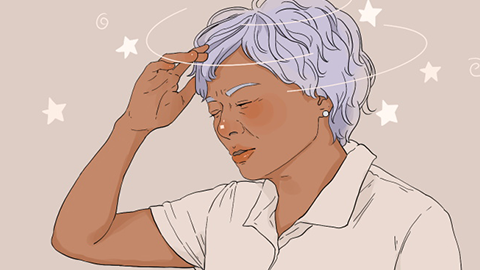
Vertigo with tinnitus may represent true vertigo. Vertigo is broadly classified into true (objective) and false (subjective) types. True vertigo involves a distinct sensation of external objects rotating or of self-rotation, whereas false vertigo lacks this prominent rotational perception. Dizziness and tinnitus may arise from acute labyrinthitis, Ménière’s disease, or benign paroxysmal positional vertigo (BPPV)—all of which fall under peripheral vertigo. Central vertigo, in contrast, results from lesions involving the vestibular nuclei, brainstem, cerebellum, or temporal lobe of the cerebral cortex. When experiencing vertigo, patients should consult an otolaryngologist for comprehensive evaluation—including otoscopic examination, neurological assessment, neuroimaging (e.g., MRI/CT), and electrophysiological testing—to establish an accurate diagnosis.
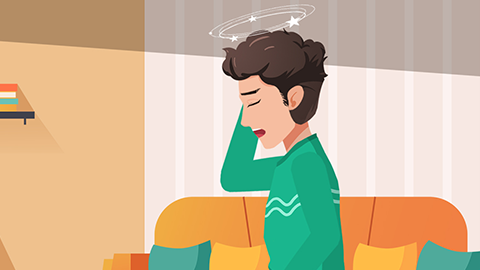
Dizziness, tinnitus, and insomnia may stem from excessive mental stress, occupational pressure, or similar psychosocial factors. It is advisable to adopt healthy emotional outlets—such as boxing or discussing concerns with friends. Prolonged psychological stress can precipitate physical illness; therefore, consulting a psychologist is recommended when stress becomes overwhelming. Maintaining psychological well-being is fundamental to preserving overall physical health. We hope this information proves helpful.




