


Why does priapism occur?
Aug 24, 2022
Source: Cainiu Health

Dr. Li Mingchuan
Introduction
Priapism refers to a persistent, painful erection that is not associated with sexual stimulation. If an erection lasts longer than four hours, blood flow becomes obstructed, leading to venous stasis and thrombus formation. In such cases, patients must seek immediate medical attention to prevent irreversible damage caused by impaired blood flow, ischemia, and subsequent fibrosis. This condition is classified as low-flow (ischemic) priapism. Another type of priapism results from an arteriovenous fistula.
In real life, many men experience priapism—persistent, painful erections—to varying degrees. But what causes priapism?
What Causes Priapism?
Priapism refers to a prolonged, abnormally persistent erection unrelated to sexual stimulation or desire. If an erection lasts longer than four hours, blood flow becomes obstructed, leading to venous stasis, congestion, and potentially thrombosis. In such cases, immediate medical attention is essential to prevent irreversible damage caused by ischemia, hypoxia, acidosis, and subsequent fibrosis. This type is known as low-flow (ischemic) priapism. Another form—high-flow (non-ischemic) priapism—is typically caused by an arteriovenous fistula. In this case, excessive arterial blood flow bypasses normal regulatory mechanisms and directly enters the corpora cavernosa without sexual stimulation, resulting in a persistent, painless, high-flow erection.
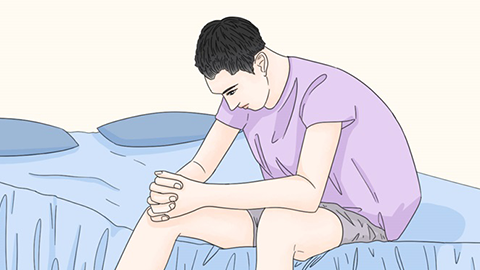
Priapism most commonly occurs in two age groups: children aged 5–10 years and adults aged 20–50 years. It usually involves only the corpora cavernosa and often manifests during nocturnal penile tumescence. In low-flow priapism, sustained erection for several hours leads to tissue ischemia, causing significant pain and a rigid, fully erect penis. In contrast, high-flow priapism is typically painless, with the penis failing to achieve full rigidity. A history of perineal or penile trauma is frequently present. Most patients with high-flow priapism regain normal erectile function following arterial embolization or surgical ligation of the abnormal vessel—though recovery generally requires several weeks to months.

The most serious delayed complication of priapism is corporal fibrosis and subsequent erectile dysfunction (ED). The incidence of ED correlates directly with both the duration of the priapism episode and the timeliness and aggressiveness of treatment. We hope this information has been helpful!







