Normal Pulse Rate Range
Aug 24, 2022
Source: Cainiu Health

Dr. Li Man
Introduction
Under normal circumstances, the pulse rate corresponds to the heart rate, and both are considered normal when ranging from 60 to 100 beats per minute. However, if the pulse rate falls within this range but the rhythm is irregular, the rhythm is considered abnormal. In some patients, the pulse rate and heart rate do not match—specifically, the heart rate is faster than the pulse rate—a condition known as atrial fibrillation (AF). In patients with AF, the heart rate is notably higher than the pulse rate.
Heartbeat refers to the rhythmic contraction and relaxation of the atria and ventricles—the pulsation perceived by the body as the heart beats. So, what is the normal range for pulse rate?
Normal Pulse Rate Range
Under normal circumstances, pulse rate corresponds to heart rate, with both typically ranging from 60 to 100 beats per minute (bpm). However, even if the pulse rate falls within this range (60–100 bpm), an irregular rhythm indicates underlying pathology—for example, premature contractions, atrial tachycardia, or ventricular tachycardia. Additionally, in some patients, pulse rate and heart rate may differ: heart rate may be faster than pulse rate—a condition known as atrial fibrillation (AFib). In AFib, the heart rate is markedly higher than the palpable pulse rate.
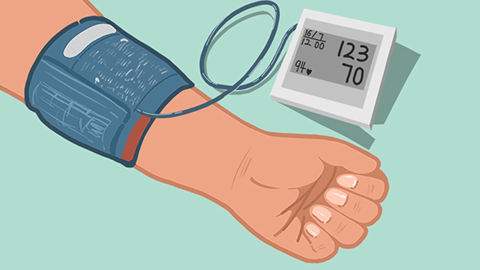
For instance, if the heart rate is 120–130 bpm, the pulse rate may only be 80–90 bpm—even though this pulse rate remains within the conventional “normal” range (60–100 bpm), it is clinically abnormal. In patients with coronary artery disease, an optimal pulse rate and heart rate is approximately 60 bpm, as this maintains adequate systemic perfusion while minimizing myocardial oxygen demand.

As long as the pulse rate falls within the normal range, cardiac rhythm is considered physiologically appropriate. If it falls outside this range, further evaluation is warranted to identify potential causes. Note that the stated normal pulse rate range applies specifically to a calm, resting state—not during or immediately after vigorous physical activity or excessive fatigue. We hope this explanation has been helpful!