


What Causes Shoulder Periarthritis?
Aug 24, 2022
Source: Cainiu Health

Dr. Lin Yunfei
Introduction
Periarthritis of the shoulder may result from prolonged, excessive physical labor without adequate rest, leading to poor awareness of fatigue levels and improper posture—such as sitting, standing, or lifting luggage—which can cause joint injury. Over time, such repeated injuries may progress to periarthritis of the shoulder. Rheumatic diseases and common colds may also contribute to its development. Inadequate warmth protection during cold weather or at night impairs peripheral circulation, thereby predisposing individuals to periarthritis of the shoulder.
Frozen shoulder (adhesive capsulitis) can significantly impair daily life, as acute episodes are often accompanied by severe pain. So, what causes frozen shoulder?
What Causes Frozen Shoulder?
Frozen shoulder may result from prolonged, excessive physical labor without adequate rest—leading to poor awareness of fatigue levels and improper posture during sitting, standing, or lifting heavy objects—which in turn causes joint injury. Over time, such repetitive strain can progress to frozen shoulder. Rheumatic conditions and upper respiratory infections (e.g., colds) may also trigger frozen shoulder. Additionally, inadequate warmth during cold weather or at night impairs peripheral circulation, contributing to the development of frozen shoulder.
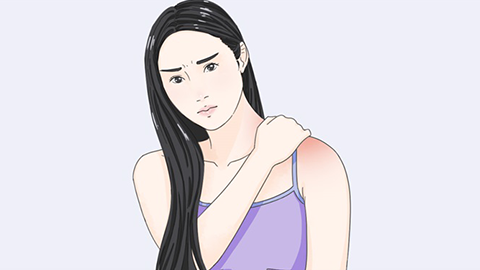
The risk of developing frozen shoulder increases with age. As people grow older, physiological functions decline: osteoporosis begins, metabolism slows, and joint mobility—particularly in the shoulder—diminishes, thereby raising susceptibility to frozen shoulder. This underscores the importance of regular physical activity. Occupations involving repetitive shoulder movements—such as chefs constantly chopping vegetables, teachers repeatedly writing on blackboards, or drivers gripping the steering wheel for extended periods—place individuals at higher risk.

Frozen shoulder can develop insidiously and may occur at any time in daily life—for instance, due to excessive fatigue, insufficient physical activity, or repetitive motions. If you already have frozen shoulder, it is essential to protect the affected joint and consider applying topical therapeutic ointments as part of a rehabilitation regimen. We hope this article has been helpful. Wishing you a joyful life and optimal health!


