


How to Treat Athlete’s Foot During Pregnancy
Aug 24, 2022
Source: Cainiu Health

Dr. Liu Wan
Introduction
Pregnant women with athlete’s foot (tinea pedis) may use topical medications. For external treatment, terbinafine can be applied to the affected area and is effective. Use the medication as directed throughout the treatment course; avoid touching the infected area with bare hands to prevent further spread of infection. Additionally, in medical terminology, athlete’s foot is classified into four types: intertriginous (macerated), hyperkeratotic (squamous), vesicular, and dyshidrotic (associated with excessive foot sweating and odor).
Pregnant women often experience anxiety, and athlete’s foot (tinea pedis) can exacerbate this distress. Each outbreak of athlete’s foot causes intense itching. I cannot resist scratching my feet, yet I dare not take medications freely due to pregnancy. At such times, I truly feel overwhelmed and emotionally stifled. If you wish to overcome athlete’s foot, proper treatment is essential. So, how should athlete’s foot be treated during pregnancy?
How to Treat Athlete’s Foot During Pregnancy
Topical antifungal medications may be used safely during pregnancy. For external treatment, terbinafine cream or ointment can be applied to the affected areas with good therapeutic efficacy. Follow the prescribed treatment regimen carefully and avoid touching or scratching infected areas to prevent secondary infection or spread. Medically, athlete’s foot is classified into several types: intertriginous (macerated), hyperkeratotic (squamous), vesicular, and dyshidrotic (with excessive sweating and odor). Treatment approaches vary depending on the type. Intertriginous tinea pedis commonly occurs between the third and fourth or fourth and fifth toes, characterized by softened, whitish, macerated skin in the interdigital spaces.
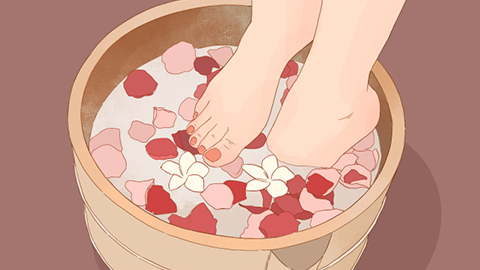
Pregnant women undergoing treatment for athlete’s foot should prioritize foot hygiene: soak feet regularly, keep skin dry, wash feet several times daily, change shoes and socks frequently, and air-dry footwear and socks thoroughly in sunlight whenever possible. Avoid wearing tightly enclosed footwear such as athletic shoes or travel shoes. Socks should be made of breathable, 100% cotton fabric. Maintaining emotional well-being is equally important—remain calm and relaxed. Stress and excitement may trigger hyperhidrosis (excessive sweating), thereby worsening athlete’s foot.

Patients are advised to keep their feet as dry as possible, as this plays a crucial role in preventing recurrence of athlete’s foot. We hope this information proves helpful to you.





