


What are the causes of erection without firmness and mid-coitus fatigue?
May 12, 2025
Source: Cainiu Health

Dr. Cao Zhiqiang
Introduction
Long-term high-intensity work combined with insufficient rest can leave the body in a state of fatigue, affecting nerve and vascular function, which may lead to difficulties achieving or maintaining an erection. To improve this condition, ensure adequate sleep by getting 7–8 hours of sleep each night, arrange work and rest periods rationally, and engage in moderate relaxation activities such as walking or yoga to allow the body to recover.
Erection that is not firm or becomes flaccid midway generally refers to the condition in which the penis does not achieve a firm erection or loses its rigidity during sexual activity. This may be caused by excessive fatigue, high stress, prostatitis, diabetes, hypertension, and other conditions. The appropriate management can be selected based on specific circumstances. If physical discomfort occurs, it is recommended to seek medical attention at a hospital promptly and follow medical advice for treatment.
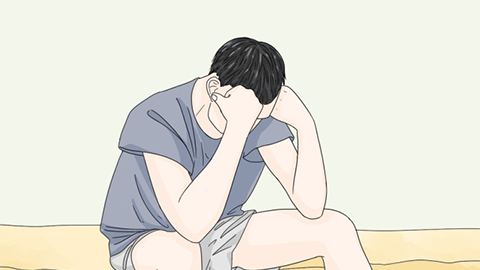
1. Excessive fatigue: Long-term high-intensity work and lack of rest can leave the body in a state of fatigue, which may affect nerve and vascular function, leading to an erection that is not firm or becoming flaccid midway. To improve this situation, ensure adequate sleep (7-8 hours per night), schedule work and rest periods appropriately, and engage in relaxing activities such as walking or yoga to allow the body to recover.
2. Excessive stress: Various life stressors, such as financial or work-related pressure, may interfere with the normal function of the brain's sexual center, causing erectile dysfunction. Stress can be relieved through methods such as meditation and deep breathing, and open communication with one's partner can help create a relaxed sexual atmosphere. If psychological stress persists and cannot be relieved, seeking assistance from a mental health professional is recommended.
3. Prostatitis: Inflammation of the prostate due to infection may irritate surrounding nerves, affect sexual nerve conduction, and potentially involve the blood vessels of the penile corpus cavernosum, leading to abnormal erectile function. Symptoms may include frequent urination, urgency, painful urination, and a sensation of heaviness or discomfort in the perineal area. It is recommended to take medications such as tamsulosin hydrochloride sustained-release capsules, Qianlieshutong capsules, and levofloxacin tablets under medical guidance to alleviate symptoms.
4. Diabetes: Diabetes may be related to genetic and environmental factors. A state of high blood sugar can damage blood vessels and nerves, potentially affecting blood supply and nerve conduction in the penile corpus cavernosum, leading to erectile dysfunction. Symptoms may also include excessive thirst, frequent urination, increased appetite, and weight loss. Patients may take medications such as metformin tablets, gliclazide sustained-release tablets, and acarbose tablets under medical supervision to control blood sugar levels and improve erectile function.
5. Hypertension: Hypertension may be related to environmental and dietary factors. Thickening and hardening of blood vessel walls may impede blood flow in the penile vessels, potentially causing an erection that is not firm or becoming flaccid midway. Symptoms may include headache, dizziness, and palpitations. Follow medical advice to use medications such as nifedipine controlled-release tablets, valsartan capsules, and metoprolol tartrate tablets to control blood pressure and improve penile blood circulation.
In daily life, adopting a healthy lifestyle, including regular exercise, a balanced diet, and sufficient sleep, can help maintain healthy testosterone levels.







