


What does it mean when nosebleeds occur persistently?
Aug 24, 2022
Source: Cainiu Health

Dr. Xu Gang
Introduction
Persistent epistaxis (nosebleeds) primarily results from either nasal mucosal rupture or specific nasal disorders. Epistaxis occurs when nasal mucosal infection or untreated capillary bleeding is present. In such cases, patients should seek medical evaluation and treatment for the underlying nasal mucosal infection. Treatment options may include local anti-inflammatory therapy, nasal nebulization inhalation, or bipolar electrocoagulation to control capillary bleeding.
There are many causes of epistaxis (nosebleeds). If only minor blood streaks appear, this is usually an incidental occurrence, possibly triggered by external factors. However, recurrent or prolonged nosebleeds may indicate an underlying disease—so what could cause persistent epistaxis?
What Causes Persistent Epistaxis?
Persistent epistaxis primarily results from either rupture of the nasal mucosa or specific nasal diseases. When nasal mucosal infection occurs—or when bleeding capillaries remain untreated—the symptom of epistaxis may manifest. In such cases, patients should seek medical evaluation and treatment for the mucosal infection. Treatment options include local anti-inflammatory therapy, nasal nebulization inhalation, or bipolar electrocoagulation to control capillary bleeding. Alternatively, persistent epistaxis may stem from specific nasal conditions—such as nasopharyngeal fibrovascular polyps or nasopharyngeal carcinoma. Both conditions can lead to chronic, recurrent epistaxis. If either is suspected, patients must undergo diagnostic evaluation—including electronic nasopharyngoscopy and nasal CT imaging—at a hospital, followed by appropriate surgical intervention if indicated.
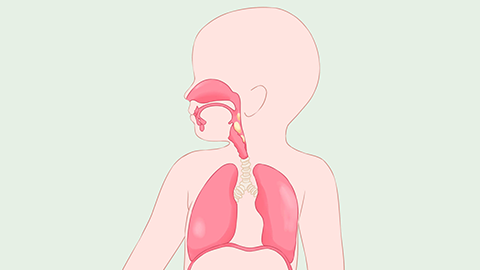
We recommend prompt consultation with an otolaryngologist (ENT specialist). Following initial assessment, routine blood tests, coagulation function tests, and nasal endoscopy may be performed to clarify the diagnosis and guide targeted treatment. For instance, if environmental humidity is adequately maintained, saline or isotonic seawater nasal irrigation may help keep the nasal mucosa warm and moist—thereby reducing the risk of vascular rupture and bleeding. For recurrent epistaxis, applying firm pressure with the thumb to the bleeding side of the nasal ala for 5–10 minutes often achieves rapid hemostasis.
In daily life, patients are advised to maintain a balanced diet and avoid spicy foods. We hope this information proves helpful.


