


What Causes Nosebleeds Upon Waking Up in the Morning?
Aug 24, 2022
Source: Cainiu Health

Dr. Xu Gang
Introduction
Sudden nosebleeds upon waking in the morning may result from excessive stomach heat, overly dry air, or nasal disorders. If the ambient air is chronically dry and fluid intake is insufficient, nosebleeds may become more frequent or severe. Excessive internal “heat” (a concept in Traditional Chinese Medicine) can also trigger epistaxis. For nosebleeds caused by dry air, it is advisable to increase daily water intake and maintain appropriate indoor temperature and humidity levels.
Sudden nosebleeds often occur without warning—blood begins flowing from the nose abruptly. Many patients feel somewhat anxious about this phenomenon, worrying it may signal an underlying medical condition and urgently seeking solutions. So, what causes nosebleeds upon waking in the morning?
What Causes Morning Nosebleeds?
Waking up with a sudden nosebleed in the morning may result from excessive stomach heat, overly dry air, or nasal disorders. If the ambient air is excessively dry and fluid intake is insufficient, the tendency toward nosebleeds may worsen. Excessive internal “heat” (a concept in Traditional Chinese Medicine referring to inflammatory or hypermetabolic states) can also trigger epistaxis. For nosebleeds caused by dry air, increasing daily water intake and maintaining appropriate indoor temperature and humidity levels are recommended. Nasal trauma—for example, from a blow to the nose—can damage local mucosal tissue, leading to bleeding; in severe cases, nasal bone fractures may even occur. Chronic conditions such as rhinitis or sinusitis, especially when complicated by inflammation, fungal infection, or bacterial infection, can cause rupture of nasal mucosal blood vessels and provoke epistaxis. Additionally, nasal hemangiomas (benign vascular tumors) may bleed profusely if they grow large enough to rupture.

Excessive stomach heat can significantly impair a patient’s health, causing physical and mental discomfort, feverish sensations, and exacerbating general malaise—even precipitating acute epistaxis. Nosebleeds stemming from excessive stomach heat typically present with bright red blood. Following epistaxis, patients may experience complications such as dry mouth and headache.
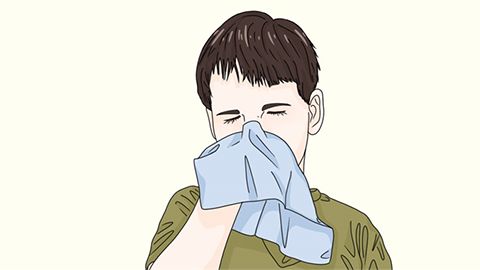
Dietary recommendations include drinking ample water, consuming abundant vegetables and fruits, and avoiding foods that may aggravate internal heat or cause irritation—such as spicy dishes and lamb. Individuals with hypertension are also at increased risk for epistaxis; therefore, dietary management—including low-sodium intake—is advised. We hope this information proves helpful.


