


Why Does Tooth Brushing Cause Nausea and Dry Heaving?
Aug 24, 2022
Source: Cainiu Health

Dr. Zhao Haiming
Introduction
Nausea and dry retching during toothbrushing are manifestations of chronic pharyngitis. Brushing teeth can stimulate the throat, triggering nausea and dry retching. Chronic pharyngitis is a chronic inflammatory condition affecting the pharyngeal mucosa, submucosa, and lymphoid tissue, commonly caused by upper respiratory tract infections, irritants from unhealthy dietary habits, and tobacco or alcohol use. In the morning, toothbrushing more readily stimulates the pharyngeal reflex area.
Every morning, one essential routine I must perform is brushing my teeth and washing my face. Many people experience nausea while preparing to brush their teeth—or even during brushing—but do not actually vomit; this is known as “dry heaving.” Initially, many individuals pay little attention to this symptom. In fact, it may be caused by an underlying medical condition. So why does toothbrushing trigger nausea and dry heaving?
Why Does Toothbrushing Cause Nausea and Dry Heaving?
Dry heaving during toothbrushing is a common manifestation of chronic pharyngitis. When brushing, the toothbrush stimulates the throat, triggering nausea and dry heaving. Chronic pharyngitis is defined as a persistent inflammatory condition affecting the pharyngeal mucosa, submucosal tissues, and lymphoid tissue, often resulting from upper respiratory tract infections, dietary irritants (e.g., spicy or overly hot foods), or exposure to tobacco smoke and alcohol. In the morning, the toothbrush is more likely to stimulate the pharyngeal reflex zone. Additionally, toothpaste foam and mouthwash can irritate the mucosa along the lateral walls of the pharynx. Consequently, patients with chronic pharyngitis may experience dry heaving—or even irritative coughing—during toothbrushing.
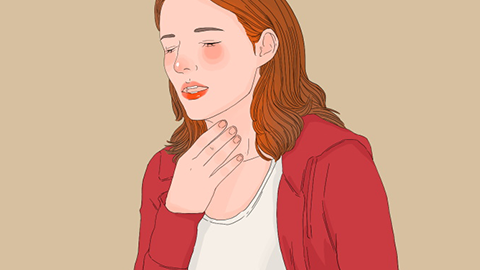
If a patient develops nausea and dry heaving after brushing, they should consult an otolaryngologist for evaluation to determine whether pharyngeal inflammation or another organic disease is contributing to these symptoms.
Frequent episodes of nausea and vomiting triggered by toothbrushing may lead to the development of a conditioned reflex. Distraction techniques can help reduce focus on the sensation, thereby alleviating the vomiting response. We hope this information proves helpful to you.








