


What Causes Hiccups, Nausea, and the Urge to Vomit?
Aug 24, 2022
Source: Cainiu Health

Dr. Zhao Haiming
Introduction
The most common cause of hiccups, nausea, and vomiting is gastritis, which may be related to one’s usual dietary habits. In daily life, it is essential to maintain regular meals—avoiding overeating at any single meal, consuming excessive cold beverages, or ingesting spicy or irritating foods. Additionally, try to avoid organ meats, fatty meats, fried foods, and other similar items.
Nausea and vomiting can occur in many conditions, such as the common cold, pharyngitis, gastrointestinal discomfort, or pregnancy. If pregnancy is suspected, the patient may first perform a home pregnancy test. If pregnancy is ruled out, gastrointestinal discomfort is the most likely cause. The gastrointestinal digestive system directly influences various bodily functions. So, what causes hiccups accompanied by nausea and vomiting?
Causes of Hiccups, Nausea, and Vomiting
The most common cause of hiccups, nausea, and vomiting is gastritis, which may be related to habitual dietary patterns. It is essential to maintain regular, balanced meals—avoiding overeating, excessive consumption of cold beverages, or spicy and irritating foods. Foods such as organ meats, fatty meats, and fried items should also be minimized. Instead, patients may consume stomach-soothing foods like millet porridge and Chinese yam. Fruits such as apples, bananas, pears, and grapes are also beneficial.
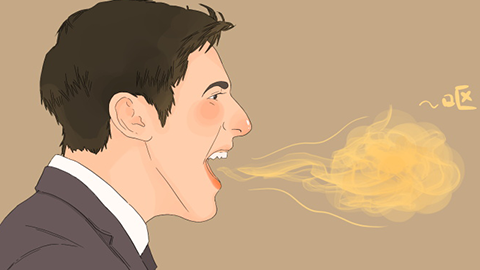
In middle-aged and elderly individuals, dizziness, vomiting, and nausea may raise suspicion of cerebellar disorders. Common conditions include cerebellar infarction and cerebellar hemorrhage, often accompanied by symptoms such as anxiety, sweating, and limb incoordination. Mild cerebellar lesions may be managed with medication; Western pharmaceuticals can alleviate dizziness and vomiting but cannot achieve complete cure. Severe cerebellar lesions typically require surgical intervention, though postoperative complications are common and may necessitate physical rehabilitation therapy.
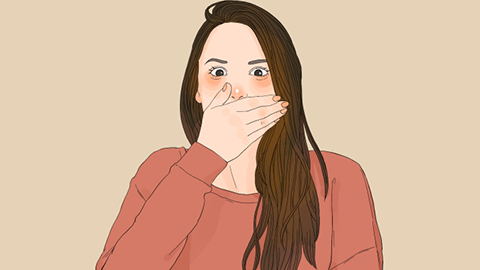
Patients are advised to keep some candies readily available in their bags to help relieve dizziness, nausea, and vomiting. We hope this information proves helpful.







