


What should I do if I feel nauseous and have no appetite?
Aug 24, 2022
Source: Cainiu Health

Dr. Zhao Haiming
Introduction
Nausea and loss of appetite can be effectively alleviated by consuming yogurt, plain steamed buns, hawthorn, rice water, ginger tea, or tomato soup. You may choose the most suitable option based on your individual condition to help relieve symptoms as quickly as possible. Impaired appetite and nausea are often caused by gastrointestinal motility disorders or indigestion; in such cases, prokinetic and digestive-aid medications may be taken orally.
Discomfort in the stomach is very common and may occur concurrently with nausea and vomiting. Dietary adjustments can help alleviate these symptoms promptly. Many foods offer beneficial effects. Below is a detailed guide on managing gastric discomfort—so what should you do when experiencing nausea and loss of appetite?
What to Do for Nausea and Loss of Appetite
Nausea and loss of appetite can be effectively relieved by consuming yogurt, plain steamed buns, hawthorn, rice water, ginger tea, or tomato soup, among other options. You may select the most suitable remedy based on your individual condition to help symptoms subside as quickly as possible. Nausea and reduced appetite are often caused by impaired digestive function and indigestion. Insufficient gastric motility—leading to delayed gastric emptying—can result in symptoms such as nausea, vomiting, and abdominal distension. In such cases, prokinetic and digestive-enhancing medications may be taken orally, including yeast tablets, domperidone (Motilium), and Jianwei Xiaoshi Pian (a traditional Chinese medicine formulation for promoting digestion and strengthening the stomach).
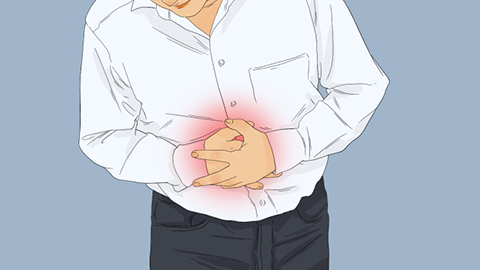
In daily life, minimize intake of foods that tend to cause bloating or are difficult to digest—such as glutinous rice, chestnuts, and potatoes. Instead, favor easily digestible liquid or semi-liquid foods like millet porridge and light noodles. Maintain regular meal times; avoid overeating or binge eating. Consume more fresh fruits and vegetables to ensure adequate intake of various vitamins. Limit spicy, stimulating, cold, and greasy foods, as well as fried and sweet foods. Chew food thoroughly and swallow slowly to facilitate gastric emptying.
Patients are advised to adopt the principles of eating smaller, more frequent meals; chewing food thoroughly and eating slowly; and maintaining consistent, regular mealtimes. We hope this information proves helpful to you.






