


What causes stomach pain accompanied by nausea and a feeling of wanting to vomit?
Aug 24, 2022
Source: Cainiu Health

Dr. Zhao Haiming
Introduction
Acute gastritis, chronic gastritis, and peptic ulcers can all present with symptoms such as abdominal pain, nausea, and vomiting. If symptoms arise suddenly, the condition is classified as acute gastroenteritis—caused by bacteria and other pathogens releasing toxins that lead to gastric mucosal edema, nausea, abdominal pain, and vomiting. When these symptoms occur recurrently, chronic gastritis or peptic ulcer disease should be considered; diagnosis requires upper gastrointestinal endoscopy and physical abdominal examination.
In real life, some patients experience adverse symptoms such as nausea and vomiting, causing significant psychological distress and negatively impacting their quality of life. They are deeply concerned about their health. So, what could be causing stomach pain accompanied by mild nausea and an urge to vomit?
What Causes Stomach Pain with Nausea and Vomiting?
Abdominal pain, nausea, and vomiting may occur in acute gastritis, chronic gastritis, and peptic ulcer disease. If symptoms appear suddenly, acute gastroenteritis is suspected—often triggered by bacterial or other pathogenic infections that release toxins, leading to gastric mucosal edema, nausea, abdominal pain, and sometimes vomiting. When these symptoms recur frequently, chronic gastritis or peptic ulcer disease should be considered; diagnosis typically requires gastroscopy and physical abdominal examination. Acute gastritis can be treated with pipemidic acid and famotidine, whereas chronic gastritis is commonly managed with lansoprazole, sucralfate, and lactase.

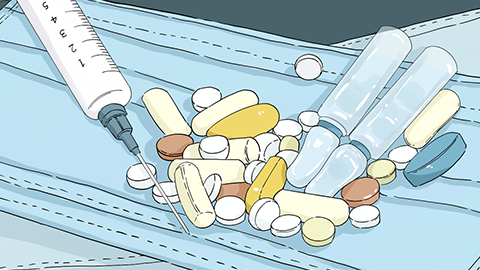
For stomach pain and nausea, gastric mucosal injury is often presumed, and mucosal-protective oral medications may be prescribed. Commonly used agents include colloidal bismuth subcitrate, sucralfate, and aluminum hydroxide gel. Domperidone helps regulate gastrointestinal motility. If Helicobacter pylori infection is detected, eradication therapy combining antibiotics and acid-suppressing agents is recommended. In daily life, patients should avoid smoking and alcohol, refrain from medications that damage the gastric mucosa, and steer clear of excessively spicy, cold, or hot foods. If the condition results from ingestion of contaminated food, active anti-infective treatment is warranted.
It is important to maintain a balanced and appropriate diet—avoid overconsumption of irritating, raw, or cold foods—and ensure food hygiene and moderation. We hope this information is helpful to you.







