


What to Eat with Gastroenteritis
Aug 24, 2022
Source: Cainiu Health

Dr. Zhao Haiming
Introduction
Patients with gastroenteritis may consume foods such as purple sweet potatoes, fish, and eggplants. Gastroenteritis is one of the most common digestive system disorders, frequently accompanied by epithelial damage and cellular regeneration. It is generally classified into acute and chronic forms. Acute gastroenteritis has a sudden onset; in mild cases, symptoms may include anorexia, abdominal pain, nausea, and vomiting. In severe cases, symptoms may progress to hematemesis (vomiting blood), melena (black, tarry stools), and dehydration.
Gastroenteritis is a common illness affecting many people. It significantly disrupts patients’ daily lives, particularly causing diarrhea and vomiting. So, what should one eat when suffering from gastroenteritis?
What to Eat with Gastroenteritis
Individuals with gastroenteritis may consume foods such as purple sweet potatoes, fish, and eggplant. Gastroenteritis is one of the most prevalent digestive system disorders, often associated with epithelial damage and cellular regeneration. It is generally classified into acute and chronic forms. Acute gastroenteritis manifests suddenly; in mild cases, symptoms include anorexia, abdominal pain, nausea, and vomiting. Severe cases may involve hematemesis (vomiting blood), melena (black tarry stools), dehydration, and disturbances in electrolyte and acid-base balance. Chronic gastroenteritis typically presents only with dyspeptic symptoms—such as early satiety, acid reflux, belching, and irregular postprandial abdominal pain.
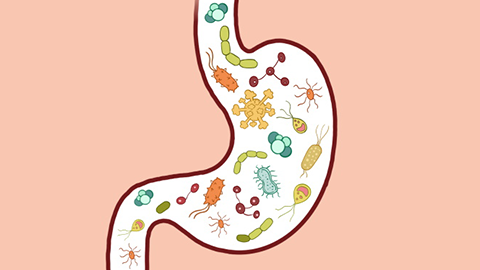
Patients with gastroenteritis are generally advised to consume low-fat, bland foods—preferably soft or liquid-based meals. Such foods not only reduce the burden on the gastrointestinal tract but also facilitate nutrient absorption along the digestive tract. During the early phase of gastroenteritis, when intestinal digestion and absorption capacity is relatively impaired, liquid-based foods are especially recommended. Porridge is ideal—preferably well-cooked and very soft. To compensate for potential nutritional deficits caused by a bland diet, oatmeal porridge may be prepared. High-fiber vegetables should be avoided, and meat intake should be minimized.
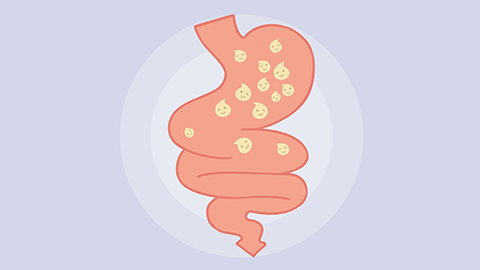
As the patient’s condition improves, dietary precautions remain essential. Meals should continue to emphasize easily digestible, bland foods. Alcohol, strong tea, spicy foods (e.g., chili peppers), and coffee should all be avoided. We hope this information proves helpful.


