


Can people with gastritis drink coffee?
Aug 24, 2022
Source: Cainiu Health

Dr. Zhao Haiming
Introduction
Patients with gastritis should avoid drinking coffee. First, coffee contains acidic substances, as evidenced by its chemical composition. Second, certain components in coffee can stimulate the nervous system. Finally, coffee is one of the most potent stimulants among all beverages and can cause significant harm to the stomach. Regarding its acidity: during the brewing process, coffee releases a substantial amount of acidic compounds.
Regarding coffee’s composition, coffee is a stimulant containing substantial amounts of acidic substances. Most importantly, it can impair nervous system function. Furthermore, coffee stimulates gastric mucosa to secrete increased gastric acid, thereby imposing additional stress on the gastrointestinal tract. So, can individuals with gastritis drink coffee?
Can people with gastritis drink coffee?
Patients with gastritis should avoid drinking coffee. First, coffee contains acidic compounds—its very composition makes it unsuitable for those with gastric inflammation. Second, coffee contains components that stimulate the nervous system. Third, among all beverages, coffee is one of the strongest irritants and poses significant harm to the stomach. Acidity in coffee: During brewing, coffee releases abundant acidic substances. The human body naturally produces gastric acid during digestion; thus, the combined acidity from coffee itself and endogenous gastric acid during digestion can damage the gastric mucosa. If such damage becomes extensive, it may lead to serious complications—including gastric ulcers or even gastric perforation—with potentially severe, irreversible consequences.
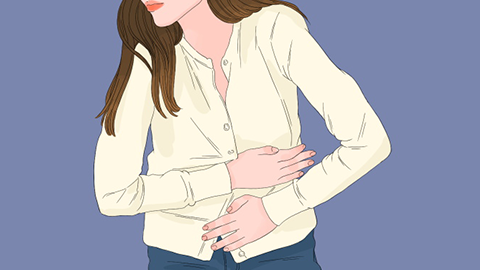
Coffee’s stimulation of the nervous system: Primarily consumed as a refreshing beverage, coffee exerts its most notable effect on nervous system regulation—specifically, certain components in coffee can either modulate or stimulate the human nervous system. When the nervous system is stimulated in this way, it triggers an increase in gastric acid secretion—a response highly detrimental to gastric health and potentially leading to erosion or loss of the gastric mucosal lining.

In daily life, avoid spicy, irritating, greasy, raw, or cold foods, and limit intake of coarse grains. Opt instead for high-quality, easily digestible meals to minimize gastrointestinal burden. We hope this information proves helpful to you.


