


Can Baoji Pills treat gastroenteritis?
Aug 24, 2022
Source: Cainiu Health

Dr. Liu Shijun
Introduction
Baoji Pills can be used to treat gastroenteritis. Their primary functions include harmonizing the body’s internal environment, alleviating exterior symptoms, and resolving dampness. They are commonly indicated for cold- or flu-like symptoms associated with damp-heat, such as headache, fever, nausea, vomiting, diarrhea, abdominal pain, and general gastrointestinal discomfort. Baoji Pills are suitable for conditions including the common cold, functional dyspepsia, gastroenteritis, heatstroke, enteritis, and motion sickness. While taking this medication, patients should avoid spicy, irritating, or otherwise hard-to-digest foods.
Different types of medications possess distinct mechanisms of action and therapeutic functions. In daily life, many people confuse medications with similar-sounding names—such as Baohe Wan (Preserved Harmony Pills) and Baoji Wan (Preserved Health Pills)—both of which are commonly kept in households for routine use. So, can Baoji Wan treat gastroenteritis?
Can Baoji Wan Treat Gastroenteritis?
Yes, Baoji Wan may be used to treat gastroenteritis. Its primary therapeutic actions include harmonizing the stomach and spleen, alleviating exterior symptoms, and dispelling dampness. It is commonly indicated for conditions involving damp-heat, headache, fever, nausea, vomiting, diarrhea, abdominal pain, and general gastrointestinal discomfort—symptoms often associated with the common cold, functional dyspepsia, gastroenteritis, heatstroke, enteritis, and motion sickness. While taking this medication, patients should avoid spicy, irritating, or otherwise hard-to-digest foods. Medication should be taken under a physician’s guidance, and the diet should consist mainly of light, easily digestible foods.
Baoji Wan offers some therapeutic benefit for gastroenteritis, though its efficacy is relatively limited. It is primarily employed to dispel dampness and alleviate symptoms such as abdominal pain, diarrhea, nausea, vomiting, and indigestion. For bacterial gastroenteritis, however, treatment should ideally involve antibiotics—such as levofloxacin—or berberine, administered under medical supervision. Dietary management is also crucial in gastroenteritis: avoid spicy, cold, or greasy foods. If diarrhea occurs, oral rehydration with sugar-salt solution or lightly salted water is recommended to prevent dehydration and electrolyte imbalance. Warm congee (rice porridge) and egg drop soup may also be consumed, and abdominal warmth should be maintained.
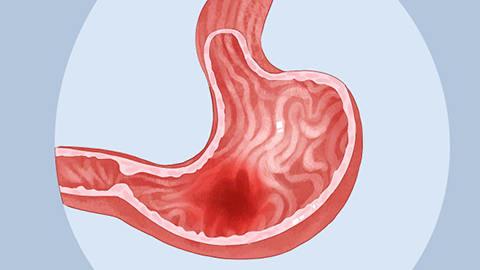
In daily life, patients should drink ample fluids and maintain a balanced diet rich in easily digestible foods. We hope this information proves helpful to you.




